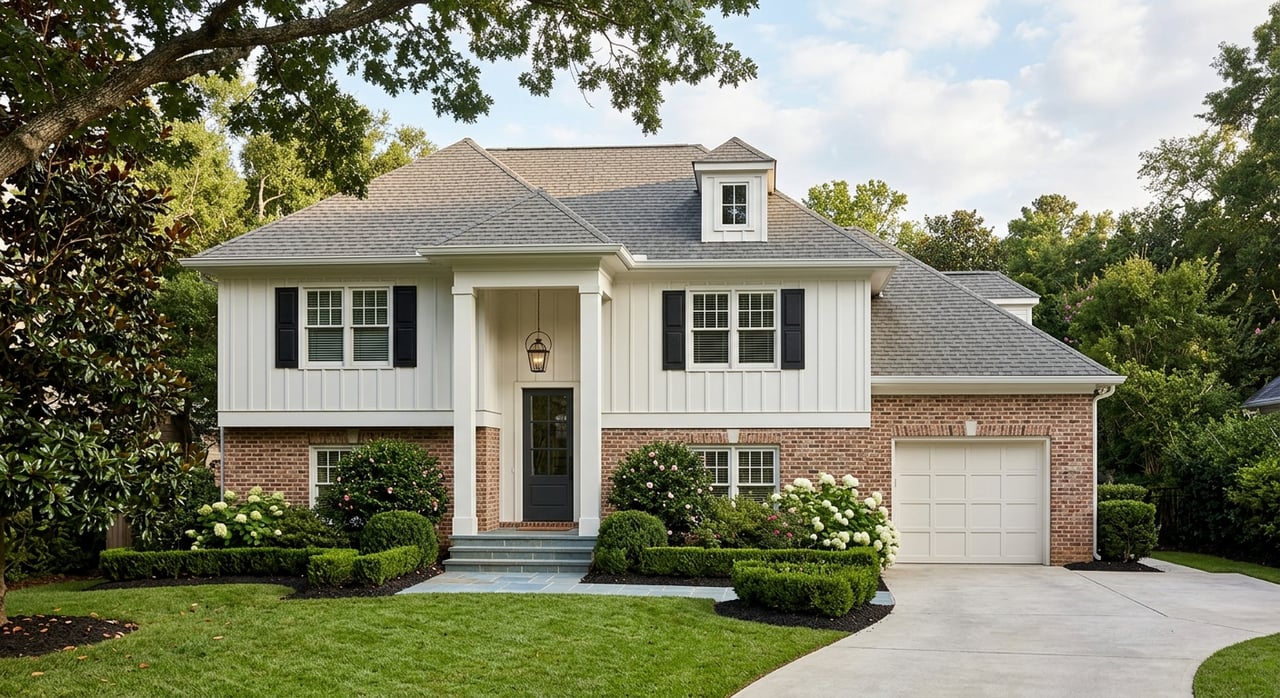
If you drive through Redmont Park and feel like every turn reveals a different kind of historic home, you are not imagining it. This neighborhood stands out because it blends dramatic topography, early 20th-century planning, and a wide mix of architectural styles into one cohesive streetscape. If you are touring homes here or simply trying to understand what gives the area its charm, this guide will help you spot the architectural patterns and details that matter most. Let’s dive in.
Why Redmont Park Looks So Distinct
Redmont Park sits within the larger Red Mountain Suburbs Historic District, which the City of Birmingham describes as a garden-landscaped residential suburb on the slopes and crest of Red Mountain. The area is known for curving streets, cul-de-sacs, scenic overlook drives, large lots, mature native vegetation, private drives, and garages, all of which shape how the homes are experienced from the street. Redmont Park itself was platted in 1925, so much of its visual identity comes from that early planning era rather than from more recent subdivision design. You can see those planning roots in the Red Mountain Suburbs Historic Preservation Plan.
The district has also been described in the National Register as an especially strong example of an automobile suburb. In practical terms, that means driveways, garage courts, and carefully framed street views are part of the architecture too, not just the houses themselves. In Redmont Park, the setting and the home often work together to create the overall effect.
Tudor Homes in Redmont Park
Tudor homes are often the easiest style to recognize as you tour Redmont Park. Look for steep gables, cross gables, brick, stone, or stucco exteriors, arched entries, dormers, casement windows, and sometimes decorative chimney pots. These features give Tudor homes a storybook look, but in Redmont Park they often feel substantial and grounded because of the steep lots and mature landscaping.
The district inventory highlights examples such as 3624 Country Club Road, 3505 Redmont Road, 3536 Redmont Road, and 2908 Thornhill Road. According to the National Register nomination inventory, Tudor forms appear in a range of material combinations, including brick-and-stucco and stone-and-stucco. That mix is part of what keeps the neighborhood visually interesting.
What to Notice on Tudor Exteriors
When you are standing at the curb, focus on the roofline first. A steep roof pitch, prominent front-facing gables, and asymmetrical massing are usually strong Tudor clues. Then look at windows and entry details, especially arched openings and grouped casement windows.
Materials matter too. In Redmont Park, the contrast of stone, brick, and stucco often adds texture and depth, especially when paired with chimneys and layered front elevations. Even if a home does not fit a textbook Tudor label perfectly, these visible cues often place it within that family.
Colonial Revival and Georgian Influence
If Tudor homes feel romantic and picturesque, Colonial Revival and Georgian Revival homes tend to feel more formal and balanced. These houses often feature symmetrical facades, pedimented entries or porticos, fanlights, dentil cornices, and brick or stone exteriors. In Redmont Park, these details create a polished look that still fits comfortably within the neighborhood’s historic setting.
Documented examples include 3042 Salisbury Road, 3825 Redmont Road, 3522 Salisbury Road, and 4333 Altamont Road. One especially useful reference is 3042 Salisbury Road, which the inventory notes for its pedimented dormers, fanlight, and denticulated cornice. These kinds of details can make a home read as formal and classically composed, even from a quick street view.
How Formal Facades Stand Out
The easiest way to spot this style family is to look for symmetry. If the front door feels centered, the windows appear evenly arranged, and the overall facade looks orderly, you may be looking at a Colonial or Georgian influence. Decorative trim around the entry and roofline can reinforce that impression.
These homes often appeal to buyers who love classic curb appeal. They also show how Redmont Park can offer architectural variety without losing a sense of cohesion.
Spanish and Mediterranean Styles
Spanish Revival and Mediterranean homes add another layer of personality to Redmont Park. These houses often include stucco walls, tile roofs, round arches, arcades, balcony details, and iron grilles. In a hillside neighborhood with winding roads and established landscaping, those features can feel especially dramatic.
Examples in the district include 3404 Altamont Road, 3505 Salisbury Road, 2829 Argyle Road, and 2906 Berwick Road. The district inventory shows that these homes are part of the neighborhood’s broader early 20th-century revival mix, not isolated exceptions. That helps explain why Redmont Park rarely feels repetitive.
Key Mediterranean Cues
Stucco is often your first clue, especially when paired with arched openings or iron detailing. Tile roofs are another strong signal, though not every home will display every hallmark feature. Rounded forms and a softer, more sculptural facade often set these homes apart from the sharper rooflines of Tudor or Colonial Revival properties.
English Cottage, Manor, and Chateauesque Character
Some of Redmont Park’s most memorable homes fall into the broader English Cottage, English Country, English Manor, or Chateauesque family. These homes can range from cozy to grand, but they often share steep rooflines, asymmetrical forms, textured materials, and strong stone accents. They tend to feel picturesque, layered, and highly site-specific.
The inventory identifies 3501 Redmont Road as an English Cottage, 3600 Redmont Road as an English Manor, 2930 Argyle Road as an English Manor, and 4008 Lenox Road as an English Country house. The National Register nomination also identifies Chateauesque as one of the district’s hallmark domestic styles. These labels vary, but the common thread is a carefully composed house that looks designed for its lot rather than dropped onto it.
A great example is 3600 Redmont Road, noted for an arched stone foot bridge over the driveway. That kind of secondary feature helps explain why the neighborhood feels crafted and estate-like. It is not only about the house facade. It is also about how walls, bridges, garages, and drives work together.
Dutch Colonial and Other Surprises
Not every house in the district fits the styles most people expect. The broader Red Mountain Suburbs inventory includes Dutch Colonial examples such as 2539 Aberdeen Road and 2627 Aberdeen Road, which are often identified by their gambrel roofs. While these may not be the first homes people picture when they think of Redmont Park, they show that the neighborhood’s style mix is wider than a quick drive might suggest.
The district inventory also includes Renaissance Revival and Italian Villa examples. That variety is a big part of Redmont Park’s appeal. Instead of presenting one rigid style, the neighborhood offers a consistent historic setting filled with multiple design influences.
The Details That Tie It All Together
What makes Redmont Park visually memorable is not just the style labels. It is the combination of architecture, landform, and preserved details. The district sits on the crest and north slope of Red Mountain, with steep streets, natural-stone walls, large lots, mature trees, long drives, and generous front setbacks.
Many homes also include garage buildings or garage apartments designed to match the main house. That matching approach reinforces the estate-like character of the neighborhood and supports the idea that the whole property was designed as a unified composition. In some cases, even the garage becomes an architectural feature, such as the classical-style concrete garage noted at 3714 Redmont Road.
Exterior Features Buyers Notice First
According to the city’s preservation guidelines, some of the most important exterior elements in this district include:
- Front porches
- Original windows
- Shutters
- Doors
- Roof forms
- Chimneys
- Decorative trim
The city’s design guidelines for the historic district emphasize porch transparency, matching window proportions and muntin patterns, and preserving the form and pitch of gable and hipped roofs. If you are comparing homes, these are often the details your eye picks up before you even realize it.
What Buyers Should Keep in Mind
Most of the district’s documented homes date from the 1911 to 1935 development period, with Redmont Park itself platted in 1925. That means many homes here offer early 20th-century architecture in a setting that still feels residential and highly livable today. If you love historic character, this neighborhood gives you many ways to find it.
It is also important to know that Redmont Park is in a designated local historic district. Exterior changes are reviewed through Birmingham’s historic preservation process, which is administered by the city’s Historic Preservation & Urban Design Division. If you are considering updates to a home, understanding that process early can help you plan more confidently.
From a real estate perspective, Redmont Park is especially appealing because it does not read as a one-style neighborhood. You may see a brick Georgian Revival near a stone English Manor or a stucco Mediterranean near a Tudor-influenced home. That architectural variety, paired with a consistent historic setting, is a big reason buyers are drawn to the area.
If you are thinking about buying or selling in a neighborhood with this much architectural nuance, local guidance matters. From understanding curb appeal to evaluating renovation potential within a historic district, working with an agent who knows how style, setting, and property details affect value can make the process much clearer. If you want help navigating Redmont Park or other Birmingham neighborhoods, connect with Hannah Dean Bygrave.
FAQs
What architectural styles are most common in Redmont Park?
- Redmont Park features a mix of Tudor, Colonial Revival, Georgian Revival, Classical Revival, Spanish Revival, Mediterranean, English Cottage, English Manor, Chateauesque, and other revival-era styles documented within the larger Red Mountain Suburbs Historic District.
What makes Redmont Park architecture feel cohesive?
- The neighborhood feels cohesive because of its shared historic setting, including curving streets, large lots, mature trees, natural-stone walls, long drives, and garages that often match the main house.
What details should buyers notice on historic homes in Redmont Park?
- Buyers should pay close attention to porches, original windows, shutters, doors, roof forms, chimneys, and decorative trim, since these are key visual features highlighted in the district’s preservation guidelines.
What time period do most Redmont Park homes come from?
- Most documented homes in the district date from the 1911 to 1935 development period, and Redmont Park itself was platted in 1925.
What should homeowners know about exterior changes in Redmont Park?
- Because Redmont Park is part of a designated local historic district, exterior changes are reviewed through Birmingham’s historic preservation process.
Why does Redmont Park have so many different home styles?
- The neighborhood developed during an era when architect-designed revival styles were popular, so its character comes from a varied mix of historic forms within one thoughtfully planned setting.