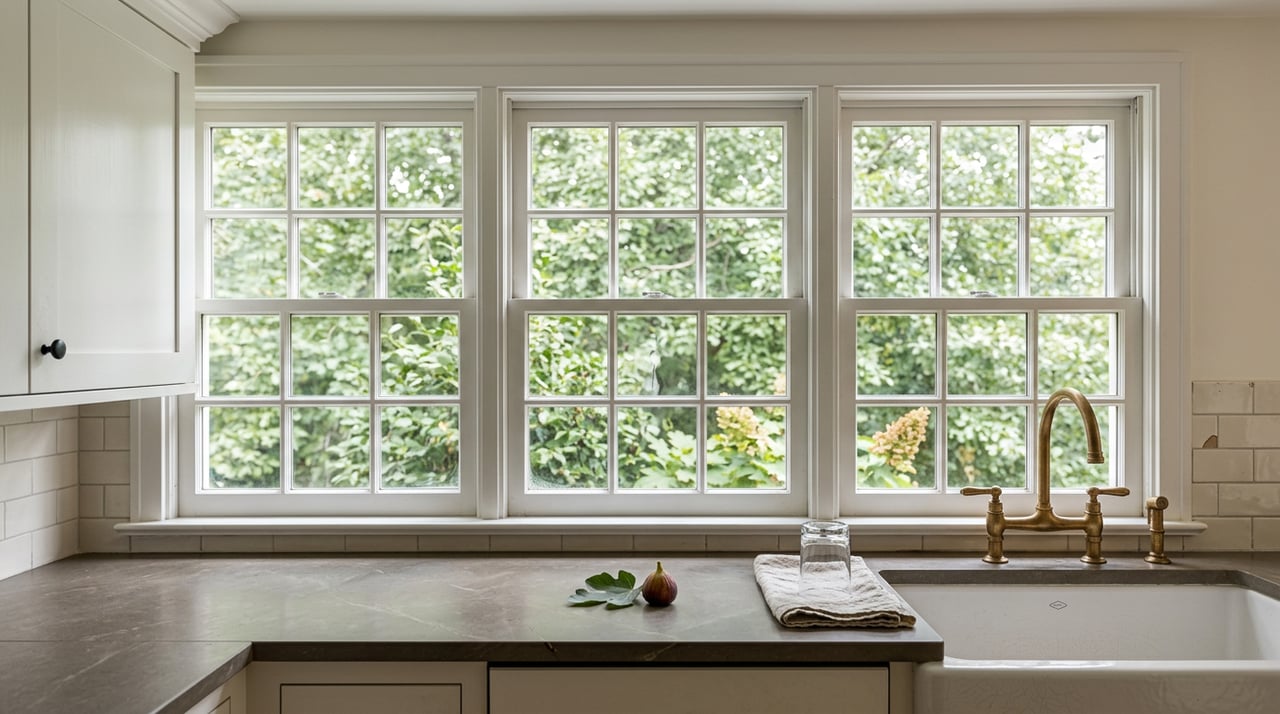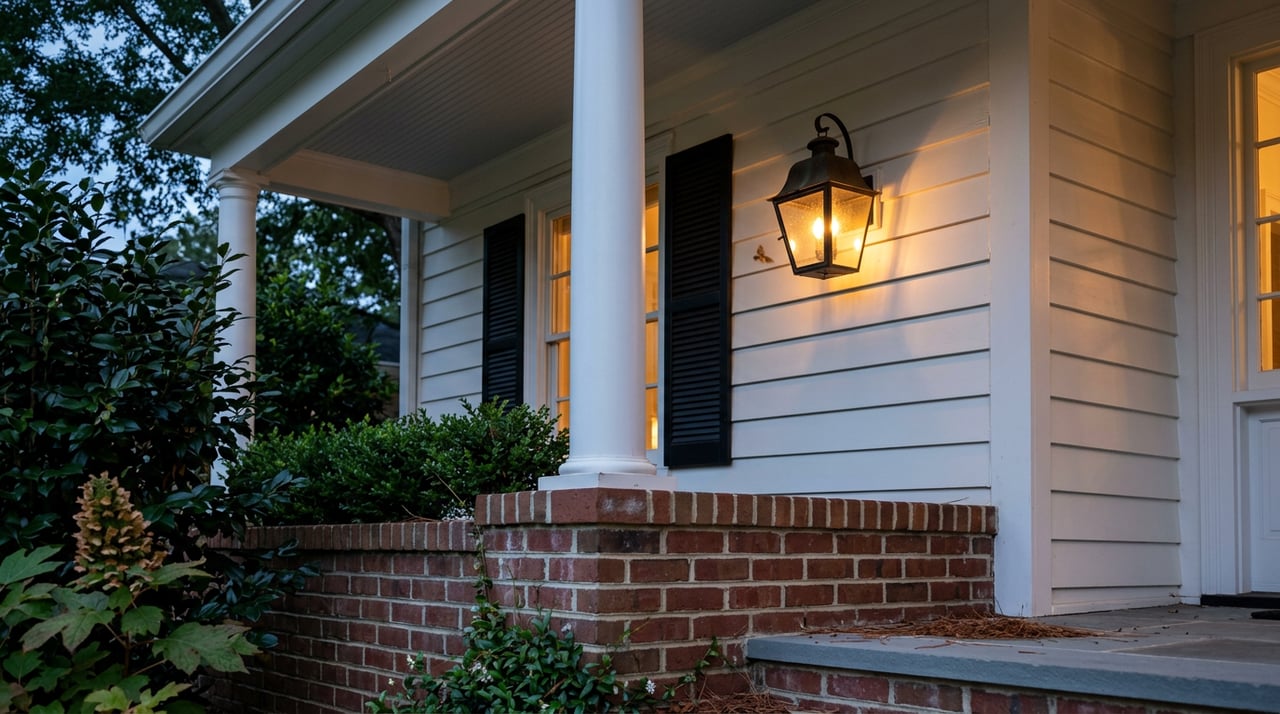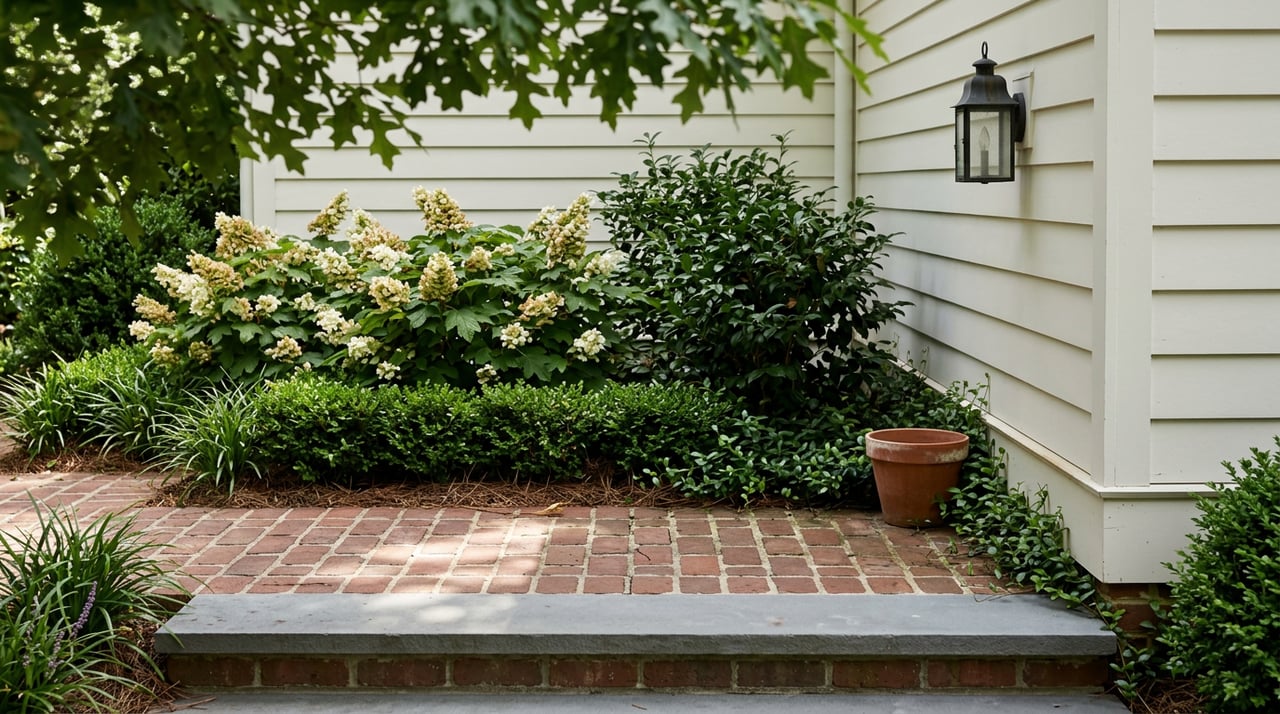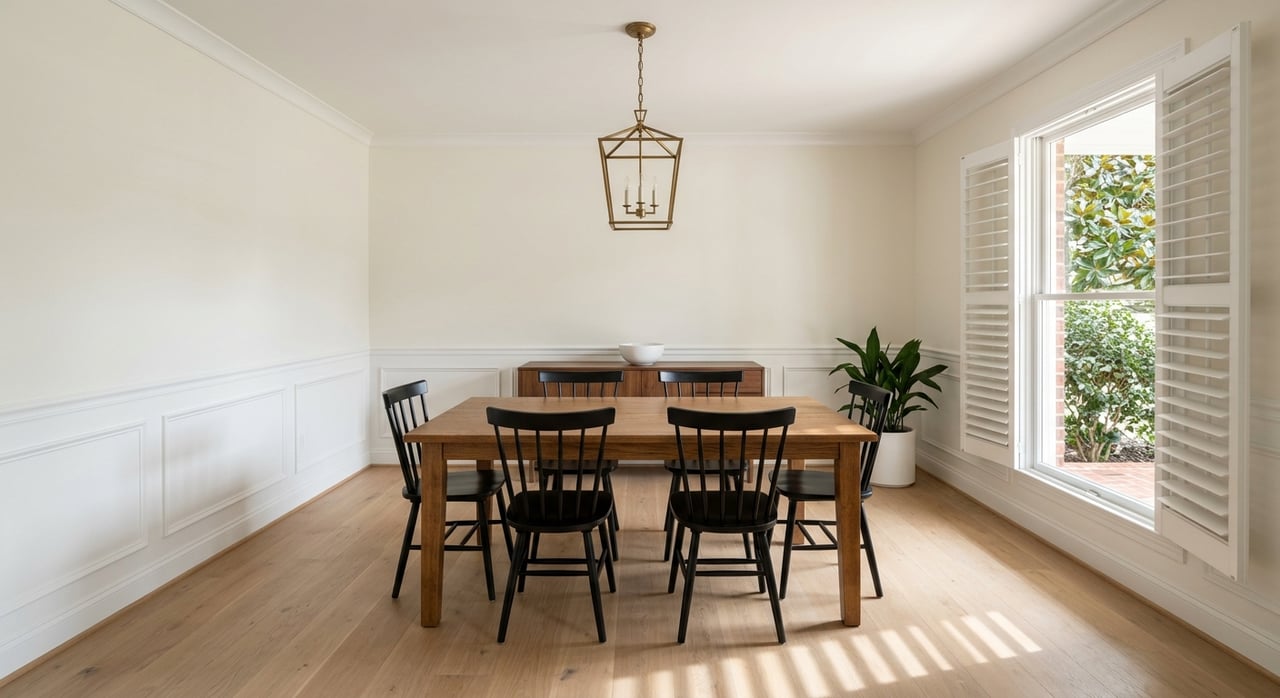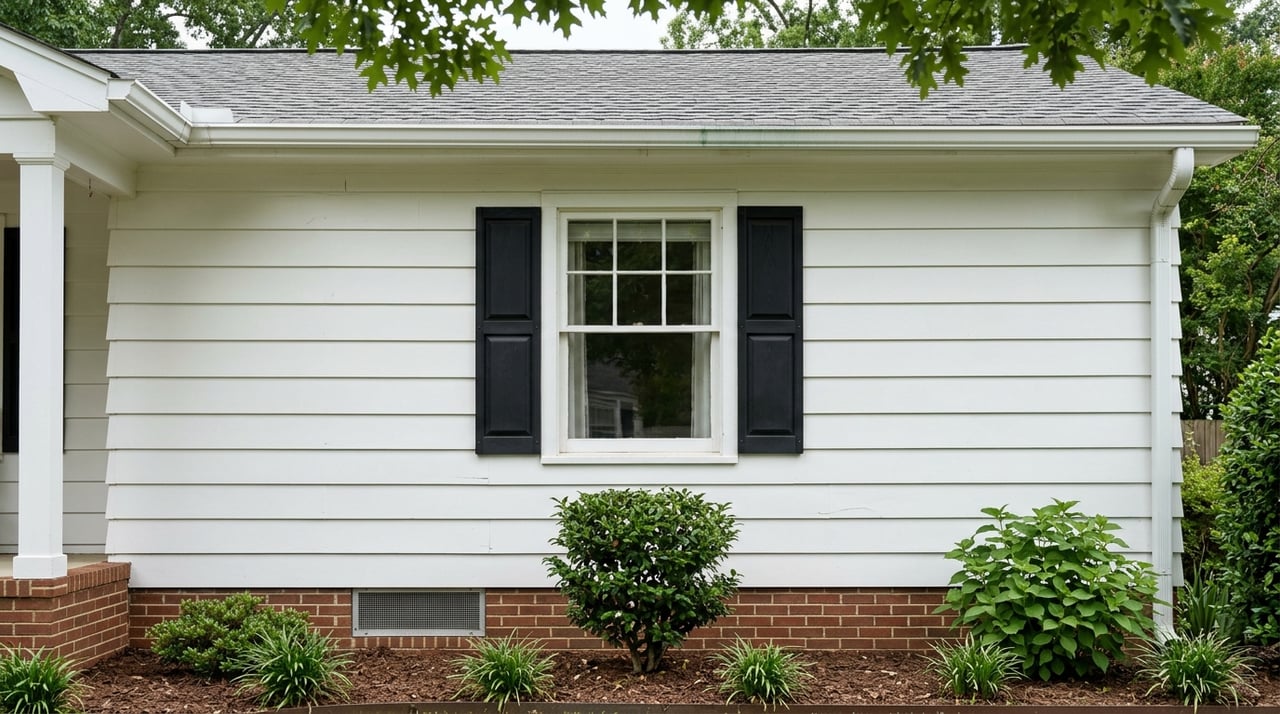
Wondering if that charming Crestwood bungalow is a smart opportunity or a money pit in disguise? If you are thinking about buying a fixer-upper here, you are not alone. Crestwood’s older housing stock, historic character, and close-in location make renovation candidates appealing, but the right first evaluation can save you time, money, and stress. Let’s dive in.
Why Crestwood Fixer-Uppers Get Attention
Crestwood is one of Birmingham’s older neighborhoods, with roots in the early 1900s. According to the City of Birmingham’s Southern Area Framework Plan, the area continues to attract buyers because of its historic charm, green space, and proximity to Downtown Birmingham.
That same city planning context also points to limited affordable housing options for first-time buyers and rising housing costs across the region. In practical terms, that helps explain why homes that need work can draw interest from buyers who want a lower entry point or investors looking for value.
Recent market snapshots place Crestwood home values in the mid-$300,000s. Data cited in the research report shows homes often selling close to list price, with market times around one to six weeks depending on the area and data source. That tells you buyers still care about value, but they are willing to pay for homes that feel updated and well maintained.
Start With Water and Structure
If you evaluate only one thing first, make it moisture and structural movement. In older homes, water problems often sit at the center of the biggest repair bills.
Look closely at the roof, gutters, downspouts, grading, crawlspace or basement conditions, and any signs of foundation movement. Stains on ceilings, musty smells, soft flooring, cracked plaster, or doors that do not close properly can all point to larger issues.
The EPA notes that excess moisture can lead to mold and other indoor air quality problems. It also recommends directing water away from the house with proper grading and downspout placement, which makes this an especially important first check before you focus on cosmetic updates.
In a Crestwood fixer-upper, a beautiful front porch and original details can distract from what is happening underneath and overhead. Before you price paint colors or new fixtures, make sure the house is staying dry and stable.
What to check on the first walk-through
- Roof age and visible wear
- Ceiling stains or patched areas
- Sagging floors or uneven transitions
- Cracks around windows, doors, or masonry
- Standing water near the foundation
- Downspouts draining too close to the home
- Damp smells in lower-level spaces
Review Electrical, Plumbing, Gas, and HVAC Early
Once water and structure are on your radar, turn to the systems that can quickly expand your renovation budget. In an older Crestwood house, outdated wiring, aging plumbing, or improvised repairs are common places where costs rise fast.
Birmingham requires permits and inspections for building, electrical, plumbing, gas, and mechanical work. The city also enforces adopted building codes for construction, alterations, repair, maintenance, removal, and demolition. For you as a buyer, that means hidden systems are not just inspection items. They are budget items.
If a panel looks outdated, plumbing materials vary from one era to another, or gas and mechanical work appears pieced together, plan for further evaluation. A fixer-upper can still make sense, but you want realistic numbers before you commit.
Red flags that deserve a closer look
- Flickering lights or too few outlets
- Extension-cord-heavy setups
- Older or mixed plumbing materials
- Slow drains or signs of past leaks
- Rust around water heaters or utility connections
- Unusual furnace or ductwork modifications
- Gas appliances with questionable venting
Check Energy Performance Before You Gut It
Many buyers think energy upgrades come later, but they deserve attention early. Older homes often have less insulation and more air leakage than newer homes, which can affect comfort every day.
The U.S. Department of Energy says a qualified energy assessor can evaluate insulation and air sealing as part of a whole-house review. For a Crestwood renovation, this matters because comfort improvements can often deliver meaningful value without requiring a full top-to-bottom remodel.
The DOE also notes that low-e storm windows can reduce heating and cooling costs, depending on the existing windows. If you love the look of original windows, this kind of upgrade may help you improve efficiency while keeping the home’s character.
Energy items worth pricing early
- Attic insulation levels
- Air leaks around doors and windows
- Duct sealing and condition
- Crawlspace or basement insulation needs
- Storm window options for older windows
Do Not Overlook Lead and Termites
Age-related hazards should be part of your first evaluation, not an afterthought. In older Birmingham homes, two of the biggest concerns are lead-based paint and termite activity.
The EPA says older homes are more likely to contain lead-based paint, especially homes built before 1978. It recommends hiring a certified inspector or risk assessor to test when lead is a concern. If you plan to sand, scrape, open walls, or replace windows, this matters even more.
Termites also deserve serious attention in Alabama. Alabama Cooperative Extension warns that subterranean termite infestations are increasing in the state, and termites are drawn to water and cellulose. Because damage may stay hidden for a long time, an annual inspection helps catch issues before they become obvious.
Why these two issues matter so much
- Lead-safe work can change your renovation scope and process
- Termite damage can affect framing and repair costs
- Moisture problems often make termite risk worse
- Both issues are easier to address when identified early
Verify Historic District Status Before Planning Exterior Changes
Not every older home has the same rules, and that is especially important in Crestwood. Part of Crestwood North is included in the Woodlawn Highlands Historic District on the National Register of Historic Places.
The key detail is this: National Register status by itself does not automatically restrict what a private owner can do. However, Birmingham local historic district rules can trigger design review for exterior work and other visible changes.
The city’s Design Review Committee may review improvements, repairs, rehabilitation, maintenance, painting, and demolitions that affect exterior areas visible from public ways. So before you assume you can replace windows, alter siding, change paint schemes, or redesign the front elevation, verify the property’s exact status.
This is one of those early due diligence steps that can protect both your budget and your timeline. A home can still be a great project, but you want to know the rules before you design the work.
Ask About Floodplain and Site-Work Costs
Floodplain status is another item to verify before you finalize your numbers. If a property is in a Special Flood Hazard Area, Birmingham requires a floodplain development permit for rehabilitation, renovation, or substantial improvement, along with other related permits.
The city also states that substantial improvements exceeding 50% of market value are treated like new construction for flood-protection purposes. For an older house, that can affect your renovation strategy in ways many buyers do not expect.
Site drainage, retaining walls, grading, and utility work can become regulated cost items in these situations. That does not mean you should walk away automatically. It means you should get clarity early.
Focus Your Budget in the Right Order
In Crestwood, resale potential is still there for a well-executed project. Homes are selling close to list price, and that suggests buyers respond to homes that feel complete, functional, and cared for.
At the same time, major renovations do not always return their full cost. Cosmetic improvements can help, but the smartest first dollars usually go toward the issues buyers cannot ignore during inspections or daily living.
A practical order often looks like this:
- Fix water intrusion and drainage problems
- Address roof and structural concerns
- Update electrical, plumbing, gas, and HVAC issues
- Investigate termites and lead-related risks
- Improve insulation, air sealing, and comfort
- Add restrained cosmetic updates
That order helps you protect the house first, then improve livability, then refine appearance. It is a more disciplined way to approach an older property with real upside.
Keep Property Taxes on Your Radar
If you plan to live in the home, property tax planning matters too. Alabama classifies single-family owner-occupied residential property as Class III at a 10% assessment rate, and a homestead exemption may apply through the county office for a primary residence.
Jefferson County also provides additional exemption guidance, including a special senior exemption. While this may not change whether you buy the house, it can affect your long-term carrying costs and should be part of your planning.
Build the Right Inspection Team Early
One of the best ways to evaluate a Crestwood fixer-upper is to line up the right people before you get too far into the process. For many buyers, that means a general home inspector, a pest inspector, and a lead professional if the home’s age raises concern.
If major work appears likely, involving Birmingham permit staff early can also help you understand what is required for structural, electrical, plumbing, gas, mechanical, floodplain, or exterior review issues. That step can make your budget much more realistic.
This is where patient guidance matters. A fixer-upper can absolutely be worth it, but only if you understand the difference between cosmetic charm and costly risk.
If you are weighing a Crestwood project and want practical guidance on what adds value, what raises red flags, and how to think through the numbers, Hannah Dean Bygrave can help you evaluate the opportunity with a clear local perspective.
FAQs
What should you evaluate first in a Crestwood fixer-upper?
- Start with water, roof condition, drainage, and signs of foundation movement because moisture and structural issues often lead to the biggest repairs.
Why do older Crestwood homes need extra system checks?
- Many older homes may have aging electrical, plumbing, gas, or mechanical work, and Birmingham requires permits and inspections for these trades when repairs or updates are made.
How do historic district rules affect a Crestwood renovation?
- Some properties may be subject to Birmingham local design review for visible exterior changes, so you should verify the parcel’s exact historic status before planning exterior work.
Why should you test for lead in an older Birmingham home?
- Older homes are more likely to contain lead-based paint, and testing by a certified professional can help you plan safe renovation work.
Are termite inspections important for fixer-uppers in Crestwood?
- Yes, Alabama Cooperative Extension warns that subterranean termite infestations are increasing in Alabama, and older homes with moisture issues can be especially vulnerable.
What upgrades usually make the most sense first in a Crestwood rehab?
- The strongest early investments are typically water control, structural repairs, code-sensitive systems, termite or lead-related work, and then comfort improvements like insulation and air sealing before cosmetic updates.