If you are thinking about selling in Mountain Brook, good enough usually is not enough. In a market where home values hover around the $1 million mark and homes can go pending in under a week, buyers notice details fast and form opinions even faster. The good news is that smart preparation can help your home stand out, photograph beautifully, and support a stronger sale from day one. Let’s dive in.
Why prep matters in Mountain Brook
Mountain Brook is not a market where buyers expect to sort through obvious unfinished projects. Recent data shows typical home values around $1,041,426 on Zillow, while Redfin reported a median sale price of $975,500 and about 7 days on market in March 2026. That kind of pace means your home needs to feel ready before it ever hits the market.
This is also a highly owner-occupied, high-value community. The U.S. Census Bureau reports an owner-occupied housing rate of 89.9%, a median owner-occupied home value of $916,300, and median household income of $201,479. In simple terms, buyers in Mountain Brook are often comparing your home to other polished properties, not fixer-uppers.
Mountain Brook also has a distinct visual identity. The city describes itself as one of the earliest planned communities in the country, shaped by tree-canopied roads and a woodland setting, with an urban forestry focus tied to beautification. That means curb appeal is not just a bonus here. It is part of how buyers experience the neighborhood and your home.
Start with a seller’s mindset
Before you spend money, step back and look at your home like a buyer would. The goal is not to make your house look trendy or overly staged. The goal is to make it feel clean, cared for, and easy to understand the moment someone sees it online or walks through the front door.
In Mountain Brook, premium presentation usually starts with simplification. NAR research found that the most common recommendations to sellers were decluttering, cleaning the entire home, and improving curb appeal. Those three steps often do more for first impressions than a rushed remodel.
Focus on curb appeal first
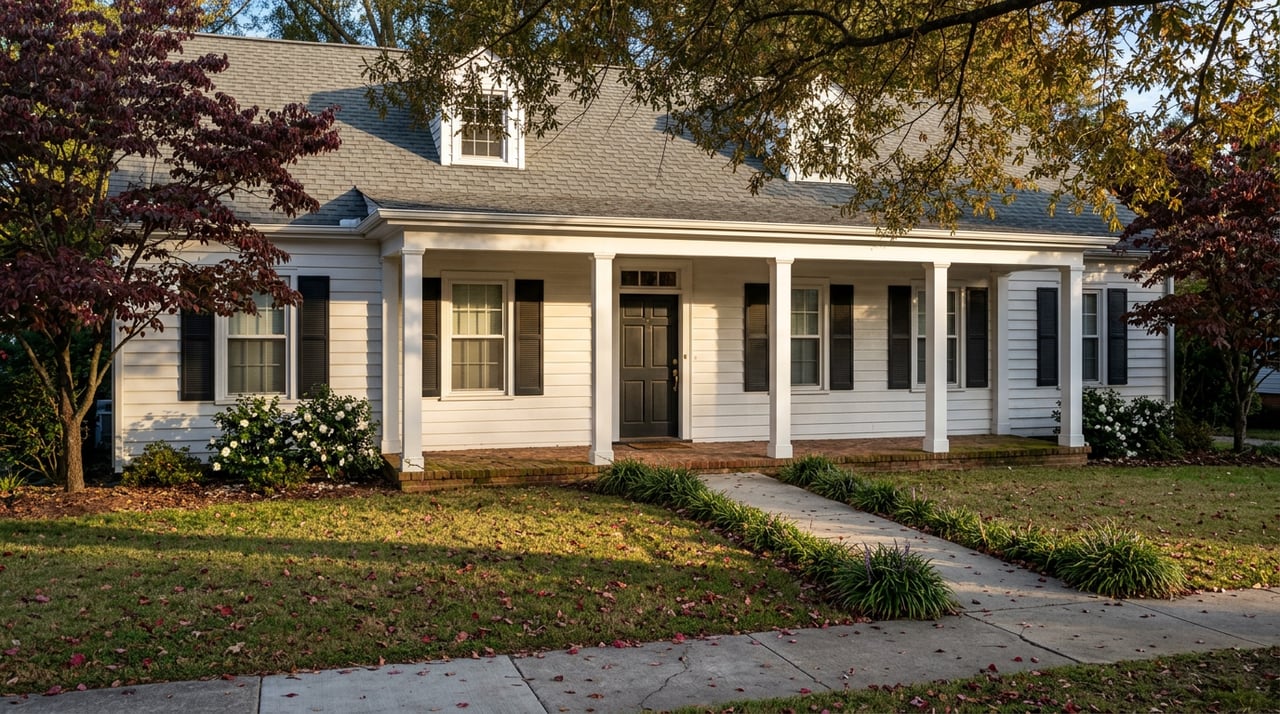
Your exterior sets the tone for everything else. In a community known for mature trees, landscaping, and village beautification, buyers will notice the front yard, entry, paint condition, and roofline before they ever evaluate your floor plan.
Start with the basics:
- Refresh mulch and tidy planting beds
- Trim shrubs away from windows and walkways
- Remove dead limbs and obvious yard debris
- Clean porches, railings, and the front door area
- Make sure house numbers, lighting, and hardware look intentional
- Wash windows so the home looks brighter inside and out
NAR consumer guidance specifically points to landscaping, the front entrance, paint, and cleaning as key ways to improve curb appeal and listing photos. In a market like Mountain Brook, those updates do double duty because they help with both in-person showings and online marketing.
Check permits before exterior work
This step matters more than many sellers realize. According to the City of Mountain Brook, permits are required for projects including painting, re-roofing or replacing shingles, vinyl siding, fences, decks, storage buildings, and pools holding more than 18 inches of water. Related site work may also require permits, and some work performed by someone other than the homeowner may require a city business license.
If you are planning visible exterior changes before listing, verify requirements early. Half-finished projects, delayed approvals, or missing documentation can disrupt your timeline and distract buyers. For a premium sale, exterior work should be completed and buttoned up before photography.
Repair what buyers will notice
Fast-moving markets do not erase buyer caution. Instead, they make buyers even less patient with deferred maintenance because they know they may need to act quickly. If something looks neglected, many buyers will assume there are deeper issues behind it.
Walk through your home and address the items that create doubt, such as:
- Dripping faucets or running toilets
- Scuffed walls or chipped trim
- Burned-out light bulbs
- Loose hardware or sticking doors
- Cracked caulk at tubs, sinks, and backsplashes
- Worn carpet or visibly damaged flooring
- HVAC, plumbing, or electrical concerns you already know about
NAR notes that a pre-sale inspection is not required, but it can help identify issues with structure, roof, exterior, plumbing, electrical, HVAC, insulation, fireplaces, and possible health-related concerns such as mold or asbestos. For many sellers, this can be a strategic move because it gives you time to repair problems or price with clarity before buyers use those issues as leverage.
Consider a pre-sale inspection strategically
A pre-sale inspection is not the right choice for every seller, but it can be useful in a premium market. If your home is older, has had additions, or has systems that have not been evaluated recently, learning about concerns early can help you make calmer, better decisions.
This is where practical guidance matters. Rather than over-improving, you want to identify which repairs protect value, which updates improve presentation, and which items can simply be disclosed and priced appropriately.
Stage for clarity, not clutter
Staging works best when it helps buyers understand the scale, light, and purpose of each room. That is especially important for premium homes, where buyers are not just counting bedrooms. They are paying attention to flow, finish, and whether the home feels effortless.
NAR’s 2025 Profile of Home Staging found that 29% of agents said staging increased the dollar value offered by 1% to 10%, while 49% said staging reduced time on market. The same report found that 83% of buyers’ agents said staging made it easier for buyers to picture the property as a future home.
The highest-priority rooms to stage were:
- Living room
- Primary bedroom
- Dining room
- Kitchen
That is a helpful roadmap for Mountain Brook sellers. If you are not going to stage every room, start where the visual impact is strongest and where buyers tend to make emotional decisions.
What staging should look like
For this market, staging should feel polished and restrained. You want rooms to feel bright, open, and functional, with enough warmth to feel inviting but not so much personality that buyers focus on your style instead of the home itself.
Aim for these staging principles:
- Remove excess furniture to improve flow
- Edit family photos and highly personal decor
- Use neutral, well-fitted bedding and simple accessories
- Create clear purpose for bonus rooms, offices, or flex spaces
- Keep kitchen counters mostly clear
- Add light where rooms feel dim
According to NAR, median staging-service cost was $1,500, or $500 when the seller’s agent handled staging. That does not mean you must spend to that level, but it does show that targeted staging can be a manageable investment compared with the value of stronger presentation.
Prepare for photography and online marketing
Your first showing usually happens online. In Mountain Brook, that matters even more because local households are highly connected. Census data shows that 99.7% of households have a computer and 97.8% have broadband subscription access, so buyers are likely to review photos carefully and quickly.
NAR reports that 81% of buyers consider listing photos the most important factor when evaluating properties. Buyers’ agents also rate photos, staging, videos, and virtual tours as highly important. In other words, if your home is not photo-ready, it is not market-ready.
Before your photo day:
- Open blinds and curtains for natural light
- Replace burned-out bulbs with matching color temperature
- Clear counters, nightstands, and tabletops
- Hide trash cans, cords, and pet items
- Put away toiletries and cleaning supplies
- Make beds neatly and use fresh towels in baths
- Move cars from the driveway if possible
Make sure marketing matches reality
Buyers do not like surprises for the wrong reasons. NAR cautions that virtual staging can be useful if it is clearly disclosed and does not conceal defects or materially misrepresent the home. That means your online presentation should feel accurate, not enhanced to the point of disappointment.
The strongest listing strategy creates consistency from start to finish. Your photos, room sequence, description, and in-person showing experience should all reinforce the same message: this home is cared for, well-prepared, and worth serious attention.
Prioritize updates with the best payoff
One of the biggest mistakes sellers make is starting too many projects at once. In a fast market, a drawn-out prep period can cost you momentum, especially if you sink money into updates that buyers barely notice.
For many Mountain Brook homes, the better approach is:
- Declutter and deep clean
- Repair deferred maintenance
- Refresh curb appeal
- Stage key rooms
- Photograph only after everything is complete
This order helps you focus on what buyers actually see and react to. It also supports a cleaner pricing and launch strategy because your home enters the market looking intentional, not mid-transition.
Build a prep plan early
The best premium listings rarely come together at the last minute. If you want a calm, organized sale, start planning early enough to make thoughtful decisions about repairs, staging, landscaping, and timing.
A clear prep plan can help you answer questions like:
- Which projects are worth doing before listing?
- What needs city approval?
- Which rooms should be staged?
- When should photography happen?
- How do you avoid spending on the wrong things?
That kind of planning is where local guidance can make a real difference. If you are preparing your Mountain Brook home for sale, Hannah Dean Bygrave can help you create a smart, market-ready plan that aligns with your timeline, your property, and the level of presentation today’s buyers expect.
FAQs
What matters most when preparing a Mountain Brook home for sale?
- The biggest priorities are decluttering, deep cleaning, curb appeal, visible repairs, and making sure the home is fully ready before photos and showings.
Should you get a pre-sale inspection for a Mountain Brook home sale?
- A pre-sale inspection is not required, but it can help you uncover issues early so you can repair them or price the home with better clarity before buyers negotiate.
Which rooms should you stage for a premium Mountain Brook listing?
- The highest-priority rooms based on NAR research are the living room, primary bedroom, dining room, and kitchen.
Do exterior projects in Mountain Brook require permits before listing?
- Many do. The City of Mountain Brook says permits are required for work such as painting, roofing, vinyl siding, fences, decks, certain pools, and some related site work.
How important are listing photos for Mountain Brook home sellers?
- Listing photos are extremely important because buyers often evaluate homes online first, and NAR reports that 81% of buyers consider photos the most important factor when reviewing properties.
Can you use virtual staging for a Mountain Brook home listing?
- Yes, but it should be clearly disclosed and should not hide defects or misrepresent the home’s actual condition or scale.