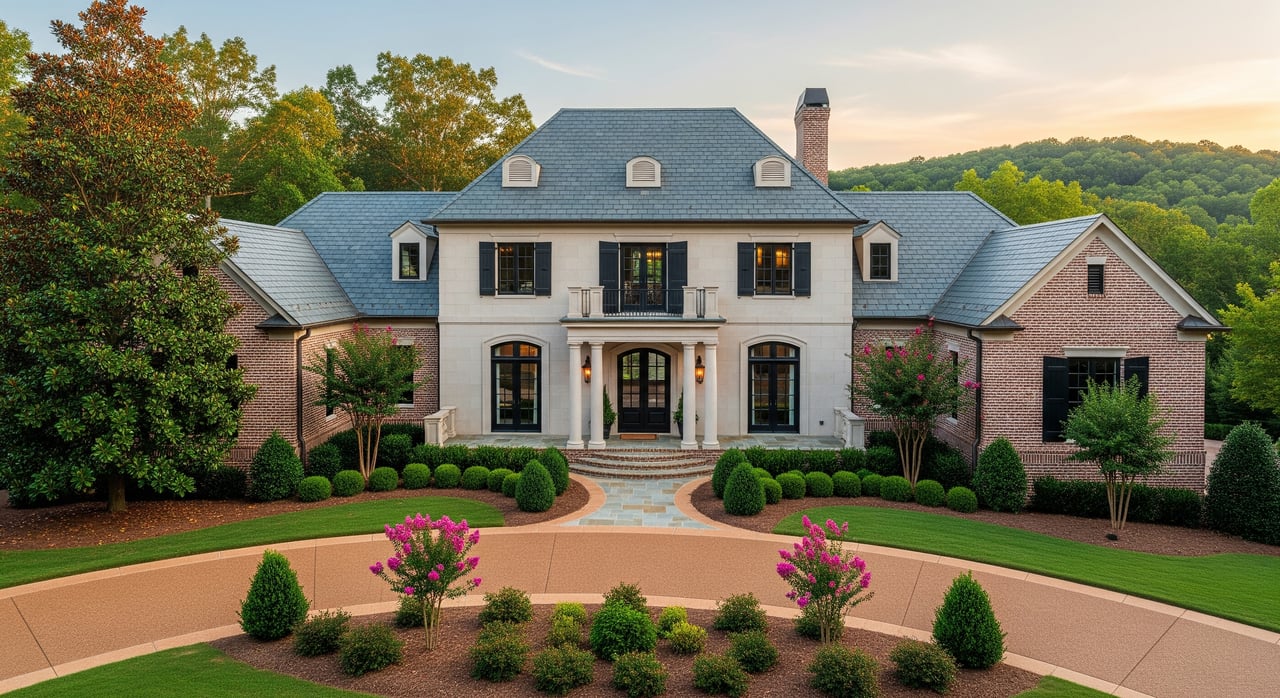
Pricing your home right in Hoover can be the difference between a quick, confident sale and weeks of frustration. You want strong offers, minimal stress, and a smooth appraisal so you can focus on your next move. This guide gives you a clear, step-by-step plan tailored to Hoover’s neighborhoods, plus practical tips to monitor activity and adjust with confidence. Let’s dive in.
Why pricing right matters in Hoover
A well-supported list price attracts the right buyer pool, increases showings, and reduces days on market. It also lowers the chance of price cuts or an appraisal shortfall that can derail a deal. When your price aligns with recent comparable sales, you keep negotiations on track and protect your net proceeds.
Overpricing usually hurts visibility, slows showings, and can lead to larger reductions that stigmatize the listing. Underpricing may create multiple offers, but it can leave money on the table if demand and inventory do not support a bidding surge.
Hoover adds extra nuance. Buyers prioritize different things, including access to I-459, proximity to retail hubs like Riverchase Galleria, and specific micro-locations. School zones and neighborhood differences across Riverchase, Bluff Park, and Trace Crossings shape buyer expectations. Lender appraisals rely on closed sales, not active listings, so you need comps that justify your price.
Before you set a list price, define your goals. Clarify your ideal timeline, your minimum acceptable net proceeds, and how you feel about contingencies. Your pricing strategy should match those priorities.
Set your pricing strategy step by step
Gather local market data
Start with your MLS for the most accurate, recent information. Pull recent sold prices for Hoover and your specific neighborhood, with a focus on the last 90 days. If sales are slow, extend to six months, or up to one year if needed. Review active and pending competition to see what buyers are comparing to your home.
Track days on market, list-to-sale price ratio, and months of supply to understand whether sellers or buyers have the advantage. You can use price-per-square-foot trends to sense the range, but do not rely on that single metric. Verify home details in public records to confirm finished square footage, lot size, year built, and permit history.
Select true comparables
Prioritize closed sales within three months, then expand to six to twelve months if inventory is thin. In established neighborhoods, look within half a mile to one mile. If turnover is low, widen to two miles while staying mindful of school zones and neighborhood character.
Match on key attributes first. Focus on property type, finished living area within 10 to 20 percent, bed and bath count, garage capacity, and features like pools or finished basements. Align lot type and street setting too. A quiet cul-de-sac in Bluff Park is not directly comparable to a busy thoroughfare near major retail.
Review pending and active listings to gauge buyer appetite, but use closed sales as your primary support for the final price.
Make thoughtful adjustments
Adjust for real differences between your home and each comp. Consider:
- Condition and updates, such as kitchen and bath remodels, roof and HVAC age, flooring, and windows.
- Functional differences, including finished square footage, bed and bath count, and the usability of a basement.
- Lot and curb appeal, including size, privacy, slope, and views. This is especially important in Bluff Park.
- Amenities and outdoor living spaces.
- Micro-location within the neighborhood, like corner lots, cul-de-sacs, or proximity to busy roads.
Avoid precise dollar adjustments unless recent local comps support them. A range and a clear rationale are better than guessing. If comps are sparse or unique, consider a pre-list appraisal or a broker price opinion for an objective anchor.
Pick a pricing strategy
Choose the approach that aligns with your goals and current demand:
- Market price. List at a price supported by comps to balance speed and outcomes.
- Strategic underpricing. Price just below market to generate more showings and possibly multiple offers. This can work when inventory is tight and demand is high.
- Aspirational pricing. List above market to test interest or leave room to negotiate. This is riskier, since it may reduce visibility and increase time on market.
Use psychological pricing cautiously, like pricing just below a search threshold, but keep accuracy first. Document your plan for responsiveness. For example, be ready to reassess if you do not have credible offers after 7 to 21 days, depending on local activity.
Presentation that backs up your price
Your marketing should support your price. Invest in professional photography, a floor plan, and a virtual or 3D tour to boost click-throughs and buyer confidence. Complete visible repairs and declutter so your condition compares well to recent sales.
Staging, whether occupied or vacant, often shortens time on market and can improve your sale price, especially in higher-end or model-home-style segments. Keep permit documentation handy for any recent renovations so you can show or disclose it during negotiations.
Neighborhood pricing nuances in Hoover
Riverchase
Many buyers value the convenience to I-459 and proximity to Riverchase Galleria and other retail. Within Riverchase, interior streets often differ from homes near major retail or traffic corridors. That proximity can affect value. When you pick comps, match to similar development styles, whether production homes or more custom builds. For commute-focused buyers, note traffic patterns at peak hours and how that compares to nearby options.
Bluff Park
Buyers consider character, topography along Shades Mountain, and scenic lots. View potential and lot slope influence pricing. Bluff-front views can command premiums, while steep lots with limited usable yard may face discounts. Style and updates matter for older homes. Because true comparables can be scarce, widen your radius or timeframe thoughtfully and lean on careful adjustments.
Trace Crossings
Trace Crossings attracts buyers seeking a master-planned lifestyle with parks, trails, and community amenities. HOA standards and proximity to facilities can influence value. Because the subdivision has more uniform sections, it is often easier to find closely matched comps. Use micro-comps within the same section when available.
For all three areas, current school boundary lines can shape buyer demand. Verify the correct Hoover City Schools zoning for your property when you select comps and craft your marketing.
Implement, monitor, and pivot
Early feedback loop
Track showings per week, online views, and agent and buyer feedback. If activity is low after the first 7 to 14 days, it often signals a pricing or presentation mismatch. If showings are steady but offers are not coming in, review both your price and any condition issues that may be turning buyers away.
Set internal thresholds in advance. For example, if no strong offers arrive by day 14 and competition is moving, be ready to adjust quickly. Proactive moves usually cost less than slow, repeated reductions.
Offers, negotiations, and appraisals
In multiple-offer situations, evaluate both price and terms. Look at financing type, appraisal gap coverage, inspection contingencies, closing timeline, and earnest money. Terms can change your net, your risk, and your stress level.
Appraisals can be a pinch point if your contract price exceeds recent comps. Mitigate by preparing a packet of relevant sales and a list of documented upgrades. A pre-list appraisal can help in unique or lightly traded areas. If an appraisal comes in low, explore options such as a buyer paying a gap, seller credits, or a price adjustment. Always weigh the net proceeds against alternative outcomes.
Legal, disclosure, and permits
Confirm that substantial renovations were permitted when required and keep documentation ready. Follow Alabama disclosure practices and any Hoover specifics your agent or attorney recommends. Have HOA documents, covenants, and repair receipts available for buyer review to build confidence and reduce last-minute friction.
Timing and seasonality
Spring typically brings higher buyer activity. Winter and holiday periods often mean fewer buyers, but also fewer competing listings. If your timing is flexible, use recent MLS activity to plan for maximum exposure. If you must list during a slower season, make sure your price reflects the current pace of the market.
Quick seller checklist
- Define your goals for timeline, net proceeds, and contingencies.
- Pull recent solds, pending sales, and active competition for your micro-area.
- Select three to five strong comps, then document key adjustments.
- Choose a strategy and set a decision point to reevaluate quickly if needed.
- Tackle repairs, declutter, and gather permit records before listing.
- Invest in professional photos, a floor plan, and a virtual or 3D tour.
- Stage to highlight space and flow, especially in higher-end segments.
- Prepare an appraisal packet with comps and upgrades before you hit the market.
Selling in Hoover is about more than a single number. It is a disciplined process that blends real-time market data, careful comp selection, and strong presentation. When you price with intention and monitor results closely, you protect your time, reduce risk, and give yourself the best chance at a high-confidence sale.
Ready to set a data-backed price and launch premium marketing that reaches motivated buyers across Birmingham and beyond? Connect with Hannah Dean Bygrave to request a free home valuation, get staging and pre-list renovation guidance, and leverage a consultative approach supported by a proven digital toolkit.
FAQs
What is the best time to list a home in Hoover?
- Spring often sees higher buyer activity, while winter can offer less competition. If you are flexible, use recent local activity to time your launch for maximum exposure.
How do appraisals impact my Hoover home sale?
- Lenders rely on closed sales, not active listings. If your price is above recent comps, be ready with supporting sales and documented upgrades, or consider a pre-list appraisal.
How many comparables should I use to price my home?
- Aim for three to five recent closed sales within 90 days when possible, expanding to six to twelve months if inventory is thin, and match on location, size, and features.
Should I underprice to spark multiple offers in Hoover?
- Strategic underpricing can work when inventory is low and demand is strong, but it is not universal. Match your approach to current data and your goals for speed and net.
When should I adjust price if showings are slow?
- If you have low activity after 7 to 14 days, reassess your price and presentation. Quick, data-based adjustments typically perform better than slow, repeated reductions.
Do school zones affect pricing in Hoover?
- School boundaries can influence buyer demand. Verify current Hoover City Schools zoning for your property when selecting comps and crafting your marketing.