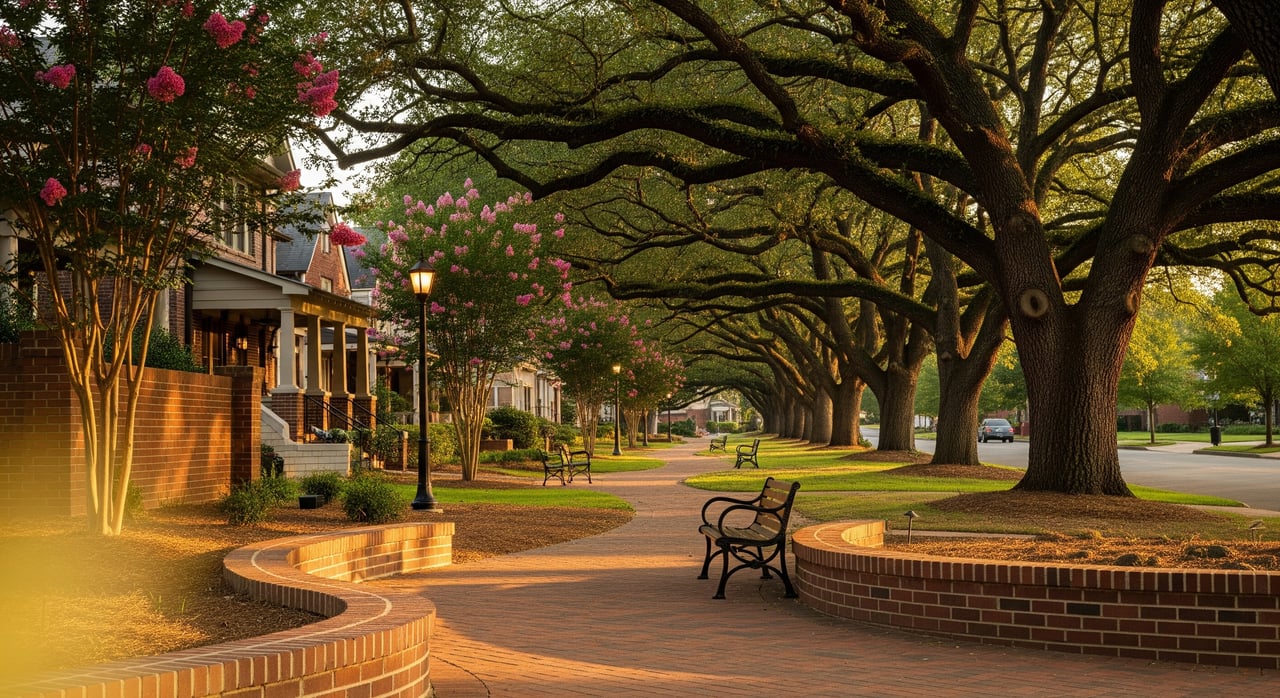
Wondering what day-to-day life feels like in a walkable pocket of Homewood? If you are eyeing a short commute, easy park access, and the option to run a few errands on foot, you are in the right place. You want the residential feel without giving up convenience, and you also want to understand how those qualities affect long-term value. In this guide, you will see how parks, paths, and pedestrian-friendly blocks shape daily routines around Edgewood, SoHo, and the Central Park area, plus what to look for when you tour homes. Let’s dive in.
Why Homewood draws walkers
Homewood sits just outside downtown Birmingham, which makes it a strong choice if you want urban access with a neighborhood rhythm. Many streets have sidewalks and a leafy canopy, and several corridors have restaurants and shops that invite you to walk instead of drive. Walkability varies block by block, so the best way to evaluate it is at the address level as you compare homes.
In practical terms, the features that make walking easy are close at hand. You will notice parks and open spaces, safe crossings, neighborhood schools, and places to grab coffee or a quick bite. When these show up within a short stroll, you are more likely to walk for daily routines, not just weekend recreation.
Parks and paths at a glance
Homewood’s public spaces tend to fall into a few helpful categories. Neighborhood parks usually have playgrounds, small fields, and picnic areas that make spontaneous outings simple. Community parks add more fields and courts, and they often host leagues or city events that anchor weekends.
You will also find greenways, trails, and pedestrian corridors that stitch neighborhoods together. These connections matter because they create off-street options for walking and biking, and they often link residential blocks to commercial streets. The result is a smoother, safer path to your favorite spots.
Edgewood strolls
In and around Edgewood, the streets feel established and shaded, with sidewalks that invite an evening loop. Many homes sit within a short walk of pocket parks or playgrounds, which is helpful if you have a busy after-school window and want to keep things simple. Morning routines often include a quick walk for coffee or a quiet pass through the neighborhood before the workday starts.
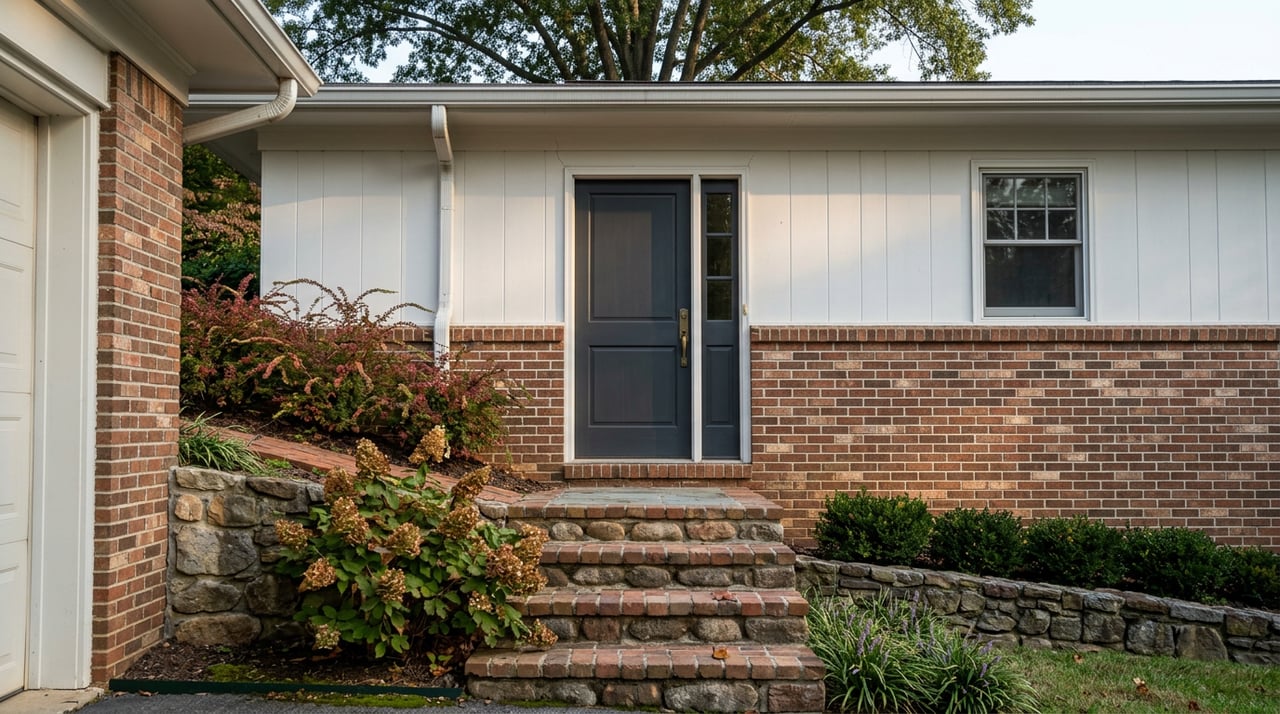
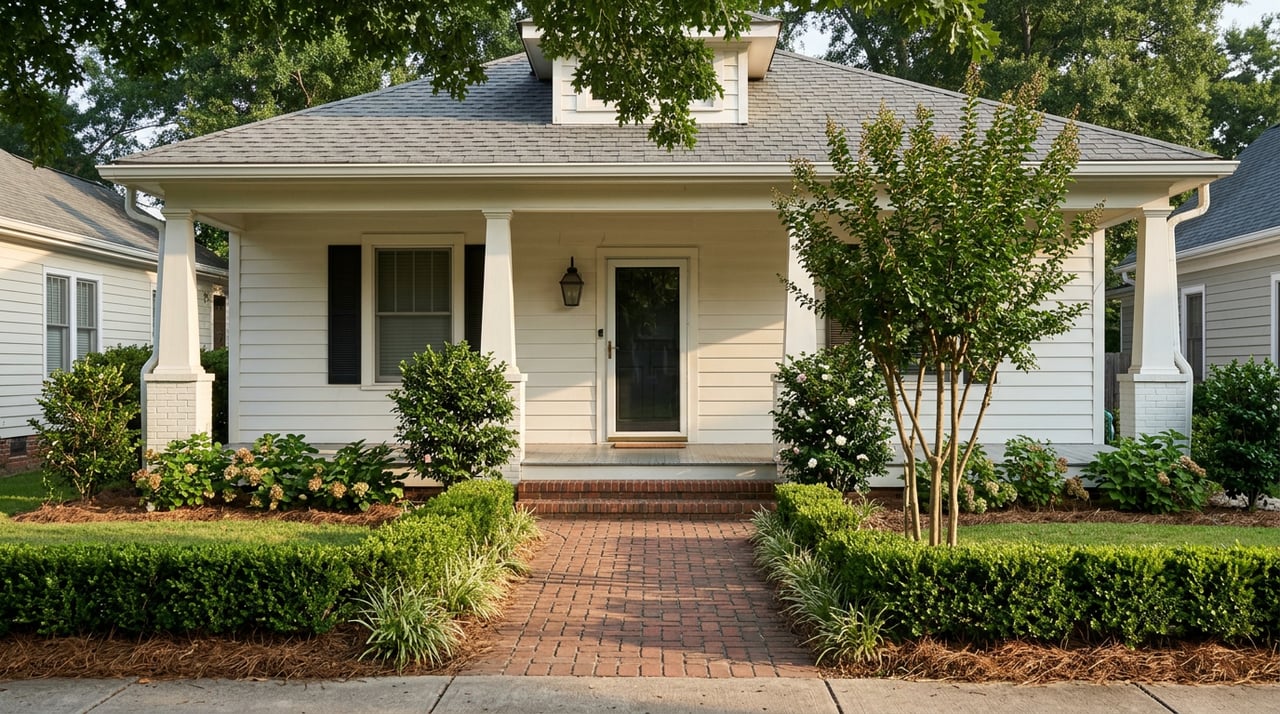
If you value character, you will see older homes with front porches and modest yards that put you close to the action. This tradeoff is common in walkable areas, since convenience often means less private outdoor space but more access to public green space.
SoHo errands and evenings
The SoHo corridor, often described as South of Hollywood along 18th Street South, clusters restaurants and retail in a compact, pedestrian-friendly strip. It is a natural fit if you want to walk out for dinner or pick up essentials without starting the car. The sidewalks and crossings here support steady foot traffic during lunch and dinner hours.
If you choose a home near SoHo, expect a livelier feel and denser housing types mixed with single-family homes. You may trade yard size for door-to-door convenience, which can be a smart move if your priority is lifestyle and time saved.
Central Park afternoons
Homes surrounding Central Park often appeal to families who want easy access to playgrounds, fields, and open space for unplanned playtime. With sidewalks on many blocks, the walk from front porch to park can be part of your daily routine. You will often see after-school practice, weekend scrimmages, and laid-back picnics here.
The rhythm around Central Park is practical. Short walks cut down on car time, and it is easy to meet neighbors during regular park visits. When you evaluate homes here, note the walking route itself, including crossings and lighting.
Housing styles near walkable spots
Older Homewood neighborhoods commonly feature early 20th century bungalows and Craftsman homes, along with modest Colonial revival and Tudor styles. You will also find mid-century ranch homes and newer infill construction on former vacant lots. Mature trees, sidewalks, and smaller to medium yards shape the overall feel.
Closer to restaurant and retail corridors, homes tend to be more mixed in size and age. You may see remodels, townhome-style options in select pockets, and newer builds where land allowed. The key question is how you balance private space with proximity to amenities that you plan to use every day.
What daily life looks like
Daily life in walkable parts of Homewood is simple and social. If you have kids, a short sidewalk stroll to a playground can become a daily ritual. Organized sports or city events at community parks add structure to weekends without long drives.
If you are a young professional or a couple, your week may include an easy walk to dinner in SoHo or a quick bike ride to a nearby office. Evening strolls are common on tree-lined streets where neighbors greet each other, and plenty of people fit in short jogs that start and end at home.
Pet owners and active adults also benefit. Sidewalks make dog walks easy, and parks offer open space for exercise and meetups. If you prefer routine and convenience, these patterns add up quickly.
Walkability and long-term value
Research consistently shows a positive relationship between walkability and home values. Buyers often pay a premium for proximity to amenities and pedestrian infrastructure, and demand tends to hold up well over time. Access to parks and neighborhood schools also correlates with stable desirability.
In practical terms, homes within easy walking distance of parks and commercial nodes can attract a wider buyer pool. This can improve resale prospects, especially among professionals, downsizers, and families seeking convenience. While every property is unique, walkability is a feature that many buyers now treat as a must-have rather than a bonus.
Benefits for resale
- Broader appeal to lifestyle-focused buyers who prioritize convenience.
- Stronger demand tied to parks, trails, and neighborhood amenities.
- Potential for shorter market times when supply is tight near walkable corridors.
Tradeoffs to plan for
- Prices and competition can be higher in the most walkable pockets.
- Busier commercial nodes may bring parking pressure or congestion at peak times.
- Older homes near parks can need renovation, which suits buyers who value character and are comfortable with updates.
How to evaluate a specific address
Use this quick, on-the-ground checklist when you tour a home. Walk the route yourself during daytime and evening, and look for the small details that affect daily life.
- Sidewalks and crossings: Are sidewalks complete, and are crossings well marked and visible?
- Distance to daily needs: Map the walk to a park, coffee, basic retail, and any frequent stops you care about.
- Street feel and lighting: Notice street width, speed, and lighting as you walk.
- Noise and parking: Visit during lunch, school pickup, and dinner hours to gauge traffic and on-street parking.
- Terrain and comfort: Check hills, shade from trees, and resting spots like benches.
- School proximity: If school walks matter to you, trace the actual route and note crossings.
- Bike options: Look for off-street paths or calm streets that support short bike trips.
- Home condition: For older homes, assess likely updates like roofs, systems, and windows so your renovation plans are realistic.
You can also compare addresses with online tools that score walkability and show street-level views. Then confirm your impressions in person to see how the route feels at different times of day.
Buyer tips for Edgewood, SoHo, and Central Park
If you are choosing between these three areas, start with lifestyle fit and work back to home features and budget.
- Edgewood: Look for sidewalks, modest yards, and homes with character close to pocket parks. Expect a quieter residential rhythm with quick access to playgrounds and daily loops.
- SoHo: Prioritize convenience for dining and errands, and be ready for denser housing, busier evenings, and potential parking constraints. If you want to walk out your door for dinner, this can be the right move.
- Central Park: Focus on routes to fields and playgrounds if family routines are your priority. Walk the path you would take after school and check lighting for early evenings in winter.
In all three, confirm the specific address has the features you want. Walkability often changes within a few blocks, so it pays to be precise.
Seller strategies near parks and paths
If you plan to sell a walkable Homewood home, highlight the details buyers value. Map out the minutes on foot to the nearest playground, fields, or restaurants. Mention sidewalks, crossings, and the simple routines that make life easier.
Curb appeal and maintenance matter in older neighborhoods. Fresh paint, trimmed trees, and clear walkways set the tone for easy, everyday use. Inside, thoughtful staging that hints at outdoor living, like a simple mud bench for park gear, can reinforce the lifestyle your buyers want.
Ready to explore Homewood on foot?
If you want a home where parks and daily conveniences are part of your routine, you have options across Edgewood, the SoHo corridor, and the Central Park area. The right match balances character, yard size, and true door-to-door walk times that fit your schedule. When you are ready to tour, connect with a local advisor who knows these blocks and the tradeoffs.
Reach out to Hannah Dean Bygrave for a walkthrough of current listings and a custom plan that fits your lifestyle and long-term goals.
FAQs
Is Homewood walkable for daily needs?
- Many blocks near the SoHo corridor and around neighborhood parks support daily errands, dining, and recreation, but walkability is address-specific, so evaluate each home on its own.
Which areas are best for park access and school walks?
- Neighborhoods anchored by parks, such as the Central Park area and Edgewood-adjacent blocks, often offer short walks to playgrounds and schools, though you should confirm routes for each address.
Do walkable homes hold value better in Homewood?
- Research links walkability and park access to higher demand and price premiums over time, so homes close to amenities often see stronger buyer interest.
What tradeoffs come with living near SoHo?
- Expect more activity during lunch and dinner hours, potential parking pressure at peak times, and smaller yards, which many buyers accept in exchange for convenience.
How can I check a home’s walkability before visiting?
- Review an address-level walkability score, scan street views for sidewalks and crossings, then test the route in person at different times of day to confirm comfort and safety.