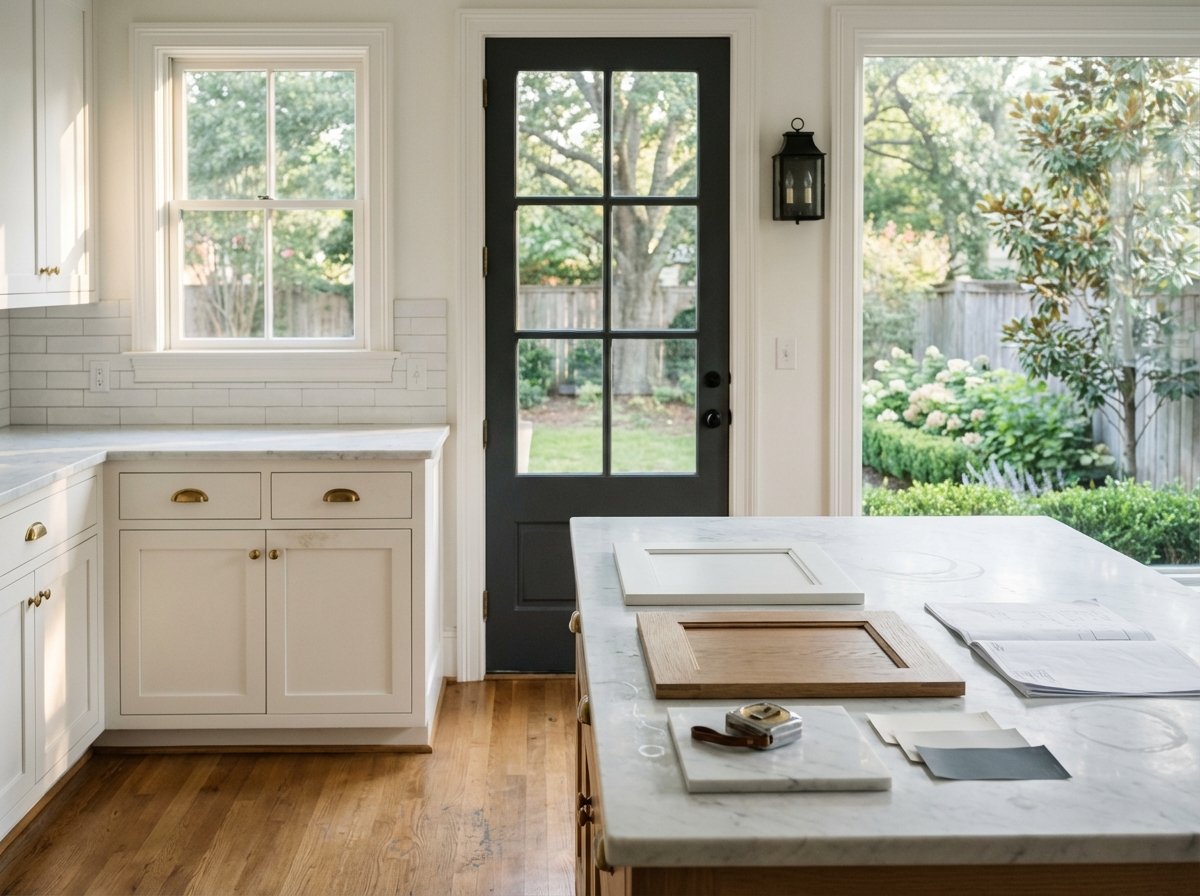
Should you pour money into a remodel or take advantage of today’s buyers and move? It is a big decision, especially in a place like Homewood where location, schools, and walkability keep demand steady. You want to be smart with your time and dollars, while also doing what is best for your family. In this guide, you will learn how the local market looks right now, which projects pay off, what timelines and permits to expect, and a simple way to run the numbers. Let’s dive in.
Homewood market at a glance
As of early 2026, Homewood’s market is active but measured. Recent snapshots show a January 2026 median sale price near $399,900, a Zillow index value around $532,600 through January 31, 2026, and a December 2025 median list price near $426,500 with about two months on market. Different data sources track different inputs, which explains the spread. The key takeaway for you is that move-in–ready homes still draw attention, while dated properties take longer.
Local demand in Homewood is supported by proximity to Birmingham, Samford University, and the town’s amenities. Buyers often value the area’s convenience and overall school reputation. In this kind of market, clean, well-presented homes with strong curb appeal and light updates tend to sell faster and with fewer concessions.
Renovate or move: start with your goal
Before you price a project, get clear on your time horizon and outcome.
- If you plan to sell in the next 6 to 12 months, focus on updates that attract buyers and return the most at resale.
- If you plan to stay 5 to 10 years or more, weigh quality-of-life improvements alongside value.
Your answer will guide the scope, budget, and whether it is worth living through a renovation.
Projects with strong resale ROI
National “Cost vs. Value” data offers a reliable benchmark for what tends to pay off. While your exact results will vary, these averages are a helpful starting point.
- Minor, midrange kitchen remodels often return near or above cost, with a recent average around 113 percent recouped. Simple swaps like cabinet paint, hardware, counters, and lighting usually carry the most weight. Cost vs Value provides the latest figures.
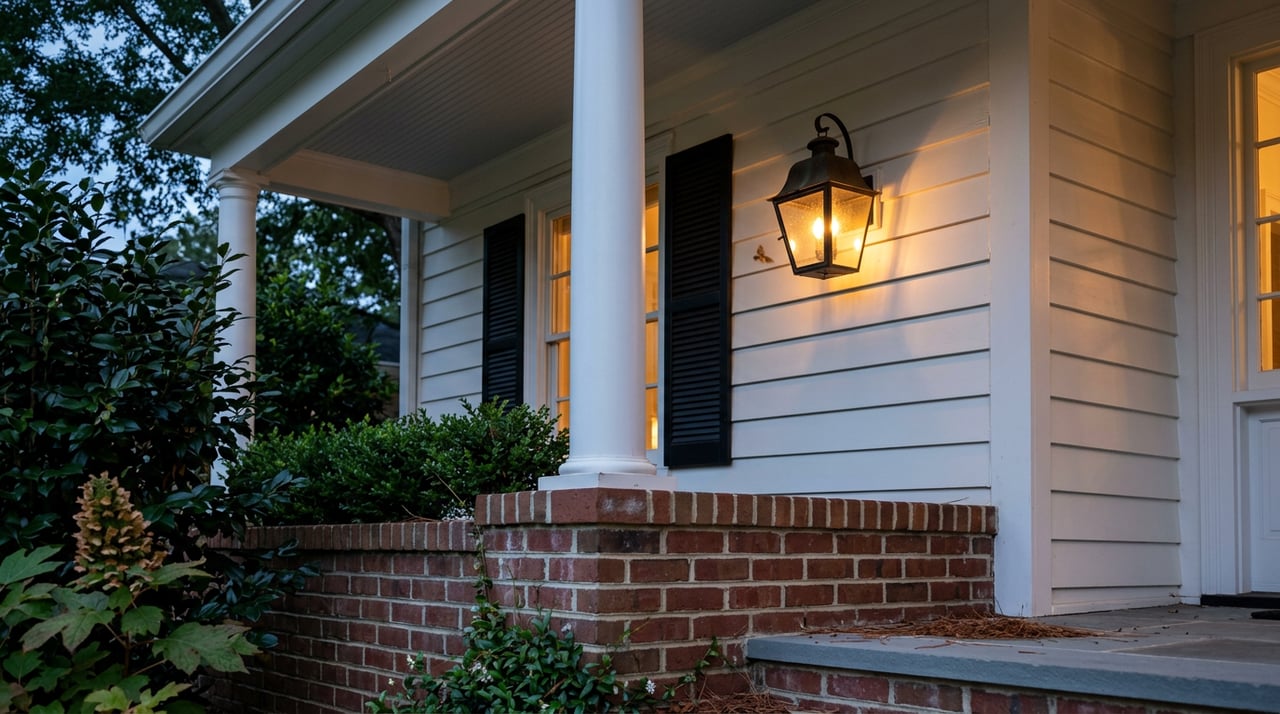
- Curb-appeal upgrades commonly rank at the top. Recent averages show very high recoup rates for a new garage door, a steel entry door, and manufactured stone veneer accents. These projects are lower cost, fast to complete, and photo well in listings.
- Midrange bathroom remodels tend to recoup less than kitchens, with recent averages near 80 percent, but still help buyers feel the home is cared for.
The big picture: prioritize smaller, high-impact projects over major additions if you plan to sell soon. Large, upscale remodels and additions often recoup far less at resale.
High-ROI curb appeal
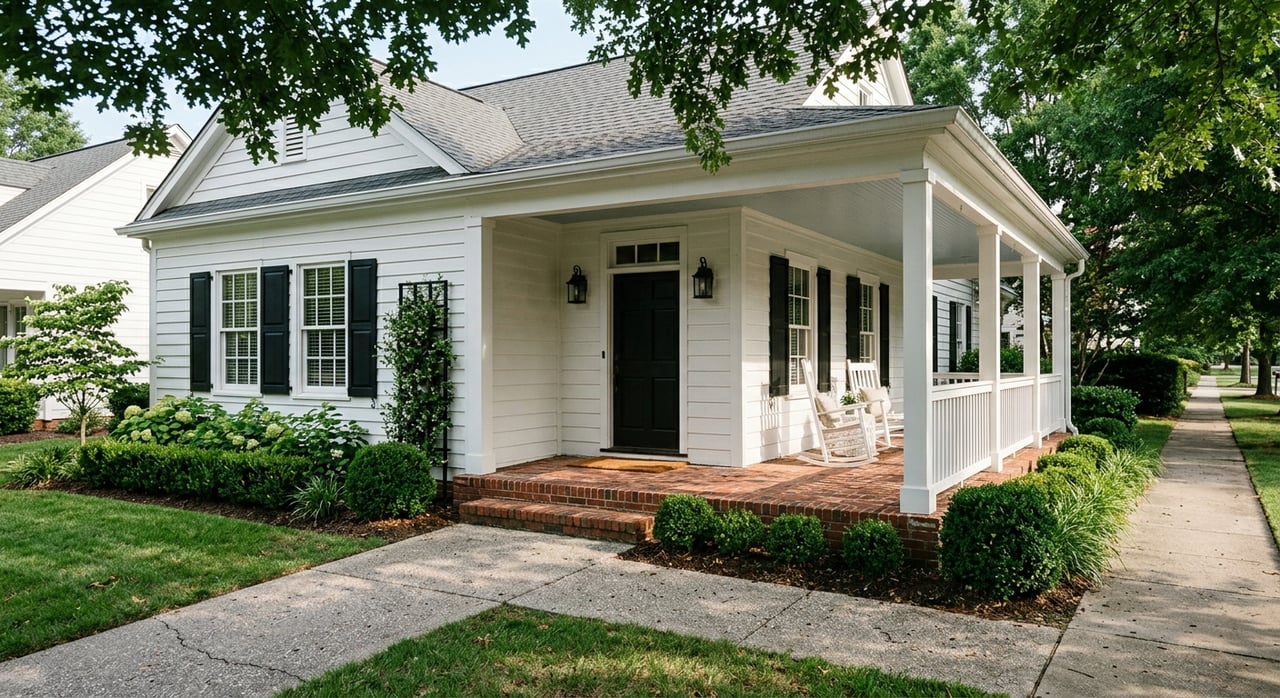
Your front elevation is the first impression online and at showings. Consider these quick wins:
- Replace or refresh the front door. A new steel entry door ranks high for value recapture on recent reports.
- Update the garage door if it is dated or worn. It is a cost-effective swap with strong visual impact.
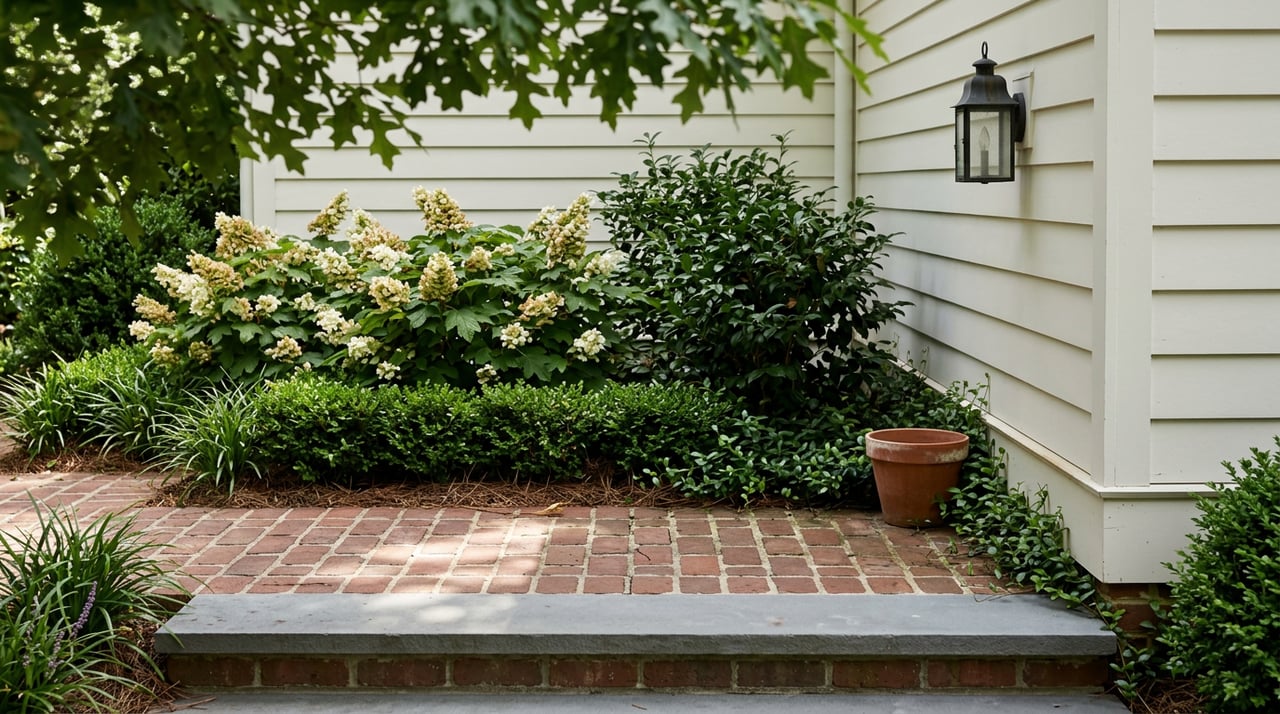
- Add simple landscaping, pressure-wash hard surfaces, and touch up exterior paint. Manufactured stone veneer at targeted areas can also add perceived quality.
Light kitchen and bath updates
If your cabinets are functional, paint and hardware can transform the space for a fraction of a full gut. Pair that with a new faucet, a modern light fixture, and durable, neutral counters. In baths, focus on grout, caulk, lighting, mirrors, and a fresh vanity if needed. These changes help buyers feel they can move right in.
When big remodels make sense
Major kitchen overhauls, structural changes, and additions are best if you plan to stay for years and value the lifestyle upgrade. Recent national averages show midrange major kitchen jobs recoup closer to half of their cost. If a large project would not lift your Homewood resale price enough to cover costs, consider scaling back or moving instead.
Staging and showing prep
Well-prepped homes in Homewood often sell faster. According to the National Association of REALTORS, staging tends to reduce time on market and can lift offers in many cases. See the latest findings in the NAR Profile of Home Staging. For most sellers, decluttering, neutral paint, lighting updates, and curb appeal are higher-leverage than big structural work.
Timelines and living through renovations
Time matters when the clock is ticking toward a potential sale. Typical ranges:
- Minor kitchen refresh: about 4 to 8 weeks, depending on materials and scheduling.
- Midrange bath remodel: about 3 to 6 weeks for interior-only scopes.
- Larger kitchens, additions, or whole-house work: several months to a year, including permitting and inspections.
These are general ranges. Supply chains, weather, and contractor availability can shift things. For a helpful overview of typical durations by project type, review this renovation timeline primer.
Permits and inspections in Homewood
Before you sign a contract, confirm what requires a permit. In Homewood, many trades do, including electrical, plumbing, roofing, structural work, and additions. Your contractor should pull permits and coordinate inspections. Skipping permits can become a resale and title risk.
Start with the City of Homewood’s Inspections and Permits resources and contact information on the city website. Ask about submittal requirements, fees, and inspection schedules. Also verify your contractor’s license, insurance, and willingness to provide lien waivers.
How to pay for renovations
If you plan to renovate before selling or to improve a new purchase, compare these common options:
- Fannie Mae HomeStyle Renovation Mortgage. Combines purchase or refinance with renovation funds into one loan. Lenders document the as-completed value and hold funds in escrow. Learn more from Fannie Mae’s overview.
- FHA 203(k). Offers a Limited and a Standard version for smaller non-structural projects or larger scopes. It is a go-to for buyers who need one-loan rehab with FHA rules. See details from HUD.
- HELOC or home equity loan. These tap your equity for flexible or fixed borrowing. HELOCs carry variable rates, which can change costs over time. For a plain-English primer, read Bankrate’s HELOC guide.
- Cash-out refinance or personal loans. These can work depending on your current mortgage rate, equity, and how long you plan to own.
Speak with a lender to compare payments, interest, and closing costs across scenarios.
The sell-now math: a simple model
Here is a quick way to compare options. Use agent pricing for your micro-neighborhoods like Edgewood, Mayfair, Rosedale, or Lakeshore areas.
Estimate your as-is sale price and your after-renovation sale price. If you need a conservative baseline, apply Cost vs. Value recoup percentages to the specific project scope you are considering.
Calculate the cost to sell as-is: typical listing prep, staging, minor repairs, and seller-side closing costs. Recent national norms put combined commissions around 5 to 6 percent of the sale price. See a commission overview here: ListWithClever’s commission guide. Confirm local terms with your agent.
Calculate the cost to renovate then sell: contractor bid, permits, and carrying costs during the project. Carrying costs include mortgage interest, taxes, insurance, utilities, and any temporary housing or storage. Add seller costs from step two.
Compare net outcomes. If a project is estimated to add $40,000 to your sale price but costs $50,000 plus two months of carrying costs and typical commissions, selling as-is will likely come out ahead unless you have nonfinancial goals.
Factor taxes if you expect a large gain. Many sellers can exclude up to $250,000 of gain if single or $500,000 if married filing jointly, subject to ownership and use tests. For details, see IRS Publication 523 guidance summarized here: capital gains exclusion basics. Consult a tax pro for your situation.
A step-by-step decision checklist
Follow this order to make a confident call:
- Clarify your goal and timeline. Are you selling soon or staying long term?
- Get local comps. Ask a Homewood agent for 3 to 6 recent sales, including renovated and non-renovated homes in your micro-area. This sets realistic pricing.
- Gather 2 to 3 contractor bids. Require detailed scopes, timelines, and who pulls permits. Confirm license, insurance, and lien waivers.
- Prioritize projects. Lead with curb appeal, neutral paint, lighting, flooring touch-ups, and a minor kitchen refresh if needed. Use Cost vs Value as a benchmark for recoup.
- Run the numbers. Compare net outcomes for sell as-is, renovate then sell, and move without renovating.
- Choose financing if renovating. Compare HomeStyle, FHA 203(k), and a HELOC or cash-out based on rate, fees, and speed.
- Gut-check lifestyle factors. Construction disruption, commute and school logistics, and the emotional value of staying all matter.
- Confirm permits. Call or visit the City of Homewood to verify requirements and timing before starting work.
If you decide to sell
Lean into presentation that attracts Homewood buyers.
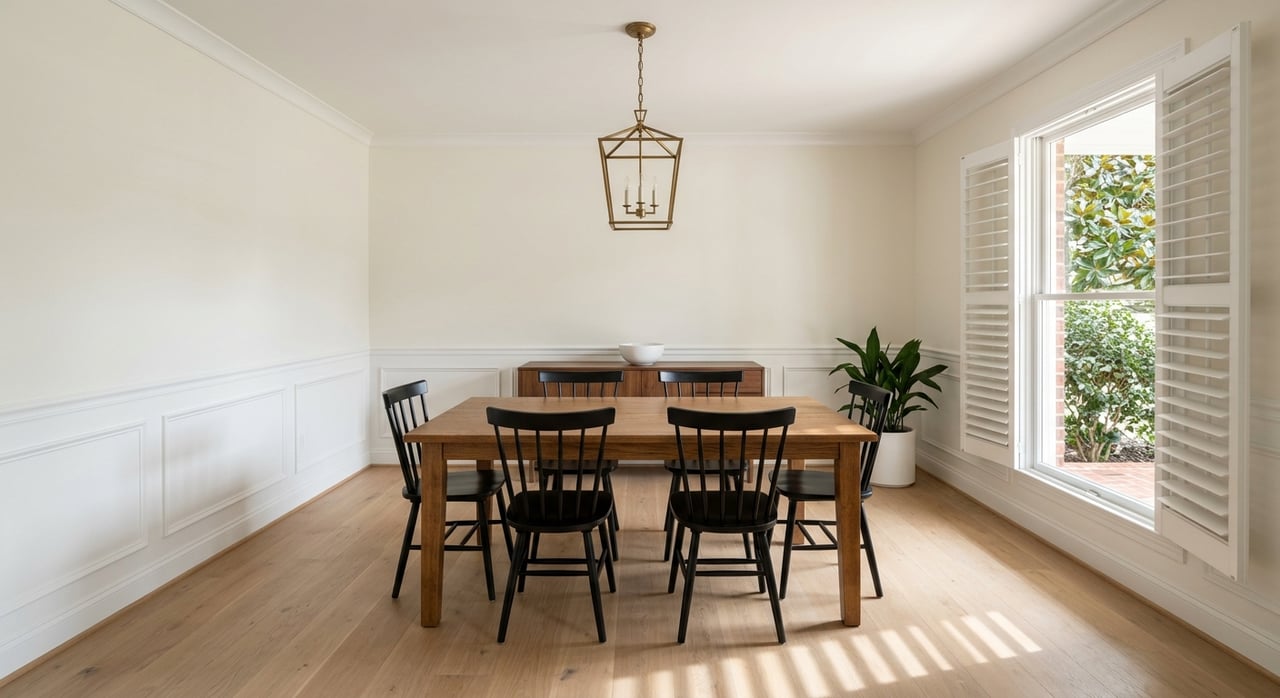
- Do light, high-ROI updates first. Fresh paint, simple lighting, curb appeal, and a minor kitchen refresh can lift price and shorten days on market.
- Stage key rooms. According to NAR, staging often reduces time on market and may increase offer strength. Even partial staging can help.
- Price with precision. Use very recent comps and emphasize move-in readiness. Updated, clean homes often capture the strongest buyer interest.
If you decide to stay and renovate
Choose scopes that improve daily life and protect future resale.
- Invest in kitchens and primary baths you will use. Focus on durable materials, classic finishes, and good lighting.
- Keep the floor plan functional. Avoid over-customizing or removing bedrooms. Neutral choices will help future buyers.
- Pull permits and document the work. A clean paper trail and final inspections support future value and reduce surprises at resale.
Ready for a local opinion?
Every Homewood home and street has its own story. If you want a clear, side-by-side plan for renovate versus sell, get a market analysis, a punch-list of smart updates, and contractor introductions. Reach out to Hannah Dean Bygrave to Request a Free Home Valuation and a tailored prep plan that fits your timeline.
FAQs
What are today’s typical Homewood price points?
- Recent snapshots show a January 2026 median sale near $399,900, a Zillow index around $532,600 through January 31, 2026, and a December 2025 median list price near $426,500. Sources track different inputs, so use recent local comps for pricing.
Which Homewood updates usually pay off before selling?
- Curb-appeal improvements, minor kitchen refreshes, and light bath updates often deliver the best return, based on recent Cost vs Value benchmarks.
How long will a minor kitchen refresh take in Homewood?
- Many minor kitchen updates finish in about 4 to 8 weeks. Larger remodels with layout changes or custom items can take months. See general ranges in this renovation timeline primer.
Do I need permits for common projects in Homewood?
- Many scopes require permits, including electrical, plumbing, roofing, structural work, and additions. Confirm with the City’s Inspections and Permits office via the City of Homewood website.
What seller costs should I include in a renovate-versus-sell comparison?
- Count staging or prep, inspection repairs, and typical seller-side closing costs. Recent national norms put combined commissions around 5 to 6 percent. Review this commission overview and confirm local terms with your agent.
How can I finance a Homewood renovation if I plan to move soon?
- Compare a HELOC, a cash-out refinance, or purchase-plus-renovation loans like Fannie Mae HomeStyle or FHA 203(k). Start with lender guidance from Fannie Mae, HUD, and Bankrate.