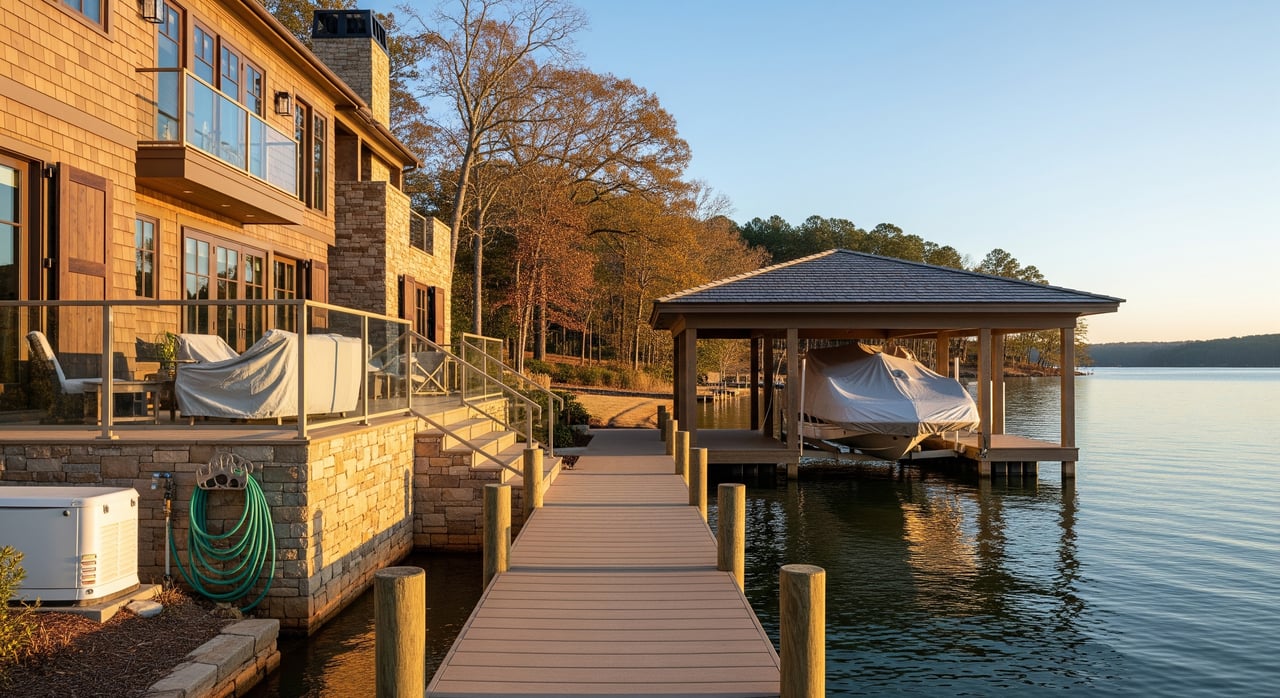
If you head back to Birmingham for weeks at a time, even one hard freeze at Lake Martin can turn a quiet winter into a costly repair. Seasonal homes on the water also face extra humidity, shifting lake levels, and storm exposure that do not pause when you are away. The good news is a clear winterization plan can protect your investment and help your insurance work for you if something happens. Below is a practical, system-by-system checklist tailored to Lake Martin and Alexander City so you know what to do yourself and when to call a pro. Let’s dive in.
Why winterize Lake Martin homes
Central Alabama winters are usually mild, but Alexander City still sees freezing nights and sharp cold snaps. One poorly protected pipe can burst in a crawlspace or boathouse. Waterfront humidity also lingers in cooler weather, which raises mold and condensation risk inside a closed-up home.
Lake Martin is a managed reservoir, so water levels and debris can shift with weather and operations. Docks, lifts, and shoreline assets face storms, wind, and fluctuating levels, especially when no one is watching. A little prep now prevents avoidable damage later.
Start with a plan
Before you shut the door for the season, decide how you will operate the home while you are away.
- Choose your plumbing approach: water on with heat, or water off with a full drain-down.
- Set a minimum indoor temperature and humidity target.
- Schedule dock, lift, and boat service while appointments are still available.
- Confirm insurance vacancy rules and start a simple documentation routine.
- Arrange a local check-in contact every one to two weeks.
Plumbing: prevent freezes
Frozen pipes are the fastest path to big water damage in a seasonal home. Start by locating and labeling your main shutoff and any interior isolation valves. Test that each valve works so you are not guessing during a cold snap.
If leaving water on
- Keep interior temperature high enough to protect pipes, especially those on exterior walls. Many owners aim for the mid-50s Fahrenheit when vacant.
- In very cold spells, allow a small trickle at sinks on exterior walls to keep water moving.
- Use insulated covers on exterior hose bibs and close interior shutoffs that feed those bibs.
If turning water off
- Shut off the main supply and open all faucets to drain. Flush toilets.
- Drain the water heater per the manufacturer and leave gas or electric off.
- Blow out supply and irrigation lines using low-pressure compressed air. Whole-house blowouts are best handled by a trained pro.
- Add non-toxic RV or marine antifreeze to toilet bowls and P-traps as needed. Do not use automotive antifreeze, especially with septic systems.
Water heater, wells, and irrigation
- For a fully winterized home, keep the water heater drained and off. If you plan brief winter visits with heat maintained, you can leave it on.
- If you are on a well, protect the wellhead and consider a professional to service the pump and pressure tank.
- Irrigation systems should be blown out by a licensed irrigation company. House water pressure alone is not enough.
Call a plumber if valves are corroded or stuck, if you have a deep-well setup, or if you prefer a professional whole-house blowout for peace of mind.
HVAC and electrical basics
Your HVAC does more than heat the home. It also helps control humidity, which reduces mold risk. Before vacancy, change filters and schedule a seasonal service on your furnace or heat pump. Ask the technician to verify condensate drains are clear and that safety switches function.
- Thermostat: Many property managers recommend setting a minimum in the mid-50s Fahrenheit to protect plumbing and finishes.
- Humidity: Aim to keep indoor relative humidity below 60 percent, ideally between 30 and 50 percent. A dehumidifier or your HVAC can help.
- Monitoring: A smart thermostat and humidity sensors with remote alerts let you respond fast to issues.
- Electrical: Unplug nonessential electronics and consider turning off noncritical breakers. Use surge protection where needed. If you have shore power to a dock, have a licensed electrician inspect it before the off-season.
Hire an HVAC pro for tune-ups, mode changes, or condensate safety upgrades, and an electrician for any dock or meter work.
Docks, lifts, and boats
Lake Martin’s lake level and weather can stress docks and lifts during winter. Boats also need clear steps to avoid engine and hull damage.
- Docks and lifts: Inspect fasteners, pilings, frames, and flotation. Tighten or replace corroded hardware. Check lift cables, straps, and motors, then follow the manufacturer’s off-season procedures. Remove or secure loose decking, ladders, and furniture.
- Water level changes: Confirm your dock and pilings can move with lake-level shifts without binding or overloading the structure.
- Boats: Drain bilges, add fuel stabilizer, and fog the engine per the manufacturer. Clean interiors, ventilate, and either remove batteries or place them on a trickle charger. Use quality covers or shrink-wrap with ventilation. Winterize onboard plumbing and heaters.
For lift motor service, structural dock work, or full boat winterization, a marina or specialized contractor is your safest route. Coordinate timing with local operators early in the fall when possible.
Control moisture and pests
Lakeside homes run humid even in cool weather, and closed interiors invite mold and pests.
- Keep humidity managed with HVAC or a dehumidifier and use sensors with alerts.
- Deep clean before leaving. Wash and fully dry laundry, empty trash, and remove perishables.
- Seal openings at windows, doors, eaves, and vents. Repair roof and gutter leaks and direct downspouts away from the foundation.
- For pests, seal holes, set traps or monitors, and store all food in sealed containers. Close attic or crawl entry points.
If you discover visible mold later, small isolated spots may be cleaned following standard health guidance. For larger or persistent issues, hire a licensed remediator.
Exterior and grounds
Storms and water intrusion usually start outside. A quick inspection now prevents long-term damage.
- Roof: Check shingles and flashing, remove leaf build-up, and repair deficiencies.
- Vegetation: Trim limbs overhanging the roof and clear debris that could become storm hazards.
- Outdoor items: Store or secure furniture and grills. Follow safety guidance for propane and fuel.
- Pools and spas: Winterize per the manufacturer’s instructions.
Tree work and roof repairs are best left to trained crews with the right equipment.
Security, monitoring, and insurance
Remote monitoring tools reduce surprises and support insurance claims if needed. Install smart thermostats, leak sensors, door and window sensors, and cameras with battery backup. Choose cell-capable alerts if power outages are common.
Test your sump pump and consider a battery backup. Add float switches and alarms for early warnings.
Check your policy for vacancy rules. Many insurers change coverage after a certain number of days away. Document what you do to winterize and save receipts. A simple photo log and service invoices can help if you ever need to file a claim.
Permits and local rules
Docks, lifts, and shoreline work may require coordination with Alabama Power or local marina and permit offices. Before removing, relocating, or modifying a fixed dock, confirm what approvals are needed.
For structural, electrical, or larger projects, check with Tallapoosa County and Alexander City offices to see if permits apply. A quick call avoids delays and rework later.
Timing and routine
Do the planning and service calls a few weeks before you head out. Marina and contractor schedules fill up in the fall.
Create a written checklist and keep a copy at the house and with your local contact. Include shutoff locations, system serial numbers, vendor phone numbers, alarm codes, and insurance information. A clear plan helps anyone who steps in during an emergency.
Quick printable checklist
Pre-departure (2–4 weeks):
- Locate and label all shutoffs and keep manuals handy.
- Schedule HVAC service and replace filters.
- Inspect roof, gutters, and downspouts and clear debris.
- Trim overhanging limbs and secure outdoor items.
- Book marina and boat winterization or storage.
Plumbing:
- Decide on water on or water off for the season.
- If water off: shut the main, drain fixtures, drain the water heater, and blow out lines or hire a pro.
- Add non-toxic RV or marine antifreeze to traps as needed.
- Shut interior bib valves and open exterior spigots to drain. Blow out irrigation with a licensed company.
HVAC and electrical:
- Set thermostat to a safe minimum and enable remote alerts.
- Set dehumidifier or HVAC to maintain 30–50 percent indoor RH if possible.
- Unplug nonessential electronics and secure sensitive devices.
- Test sump pump and backup power. Add condensate and leak alarms.
Dock and boat:
- Inspect dock hardware and flotation. Service lift per manufacturer.
- Remove or secure furniture and accessories.
- Winterize boat, stabilize fuel, and service batteries. Arrange covers or shrink-wrap.
- Coordinate any dock changes with the appropriate authorities.
Interior and moisture control:
- Deep clean, remove perishables, and launder soft goods.
- Seal gaps for pests and set monitors.
- Place humidity sensors and confirm alert settings.
Security and documentation:
- Install or check cameras and alarms. Add a trusted local contact.
- Create a binder with contacts, instructions, and insurance details.
When to call a pro
- Whole-house plumbing blowouts, well systems, or boiler and hydronic setups.
- Dock lift motor service, structural dock repairs, or underwater work.
- HVAC tune-ups, condensate safety installation, and any electrical tasks.
- Mold remediation or major pest infestations.
- Any task that needs a permit or falls outside your comfort zone.
The bottom line
Winter at Lake Martin is easier when you have a clear plan and the right local help. Protect plumbing, control humidity, secure docks and boats, and document what you do so your insurance stands behind you. With a few smart steps, your second home will be ready for worry-free visits year-round.
If you are weighing a Lake Martin purchase or you want a local referral for trusted vendors, reach out to Hannah Dean Bygrave for practical guidance and second-home strategy.
FAQs
What temperature should I set when my Lake Martin home is vacant?
- Many owners maintain at least the mid-50s Fahrenheit to reduce freeze risk and limit humidity problems. A smart thermostat with alerts helps you adjust remotely.
Should I shut off water to a Lake Martin second home?
- It depends on how often you visit, the forecast, and your setup. If you are away for long stretches with freeze risk, many owners shut water off and fully winterize. If you leave water on, keep heat on and consider a small trickle at vulnerable faucets during cold snaps.
How do I winterize irrigation near the lake?
- Use a licensed irrigation company to blow out lines with compressed air. House water pressure alone will not clear water from buried lines.
What should I do with my boat and lift in winter?
- Winterize the boat per the manufacturer, stabilize fuel, protect batteries, and use a ventilated cover. Inspect lifts, cables, and motors and follow the manufacturer’s off-season steps. Secure or remove loose dock items.
Will insurance cover freeze damage if I am away from the property?
- Coverage varies by policy and vacancy rules. Insurers often require that you take reasonable steps to prevent damage, so confirm your terms, keep records, and save service receipts.